
Syracuse shelters, food banks forced to adjust operations for weekend snowstorm
Shelters and food banks adjust operations to account for snowstorm
Students couldn’t access food banks for essentials, while local nonprofits aiding Syracuse’s homeless were overcrowded and understaffed.
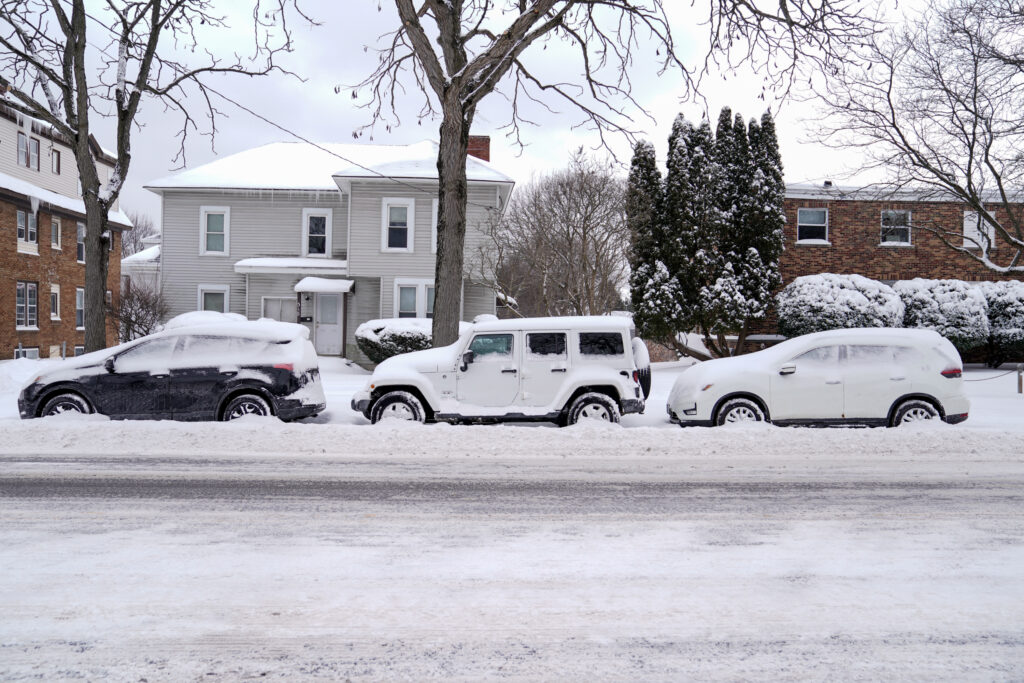
Heavy snowfall and freezing temperatures disrupted food and shelter services across Syracuse last weekend, forcing organizations to adjust operations to protect people without housing and those living in poverty.
“Three times now, we have had to close the agency,” said Beth Hurny-Fricano, the executive director of Meals on Wheels Syracuse, an organization that provides meals to seniors and those with disabilities.
The number of homeless in Syracuse, which has one of the highest poverty rates in the state, has doubled in the past two years, increasing the number of people exposed to dangerous cold during this weekend’s storm. Local organizations said this, with the harsh winter storm, increased demand for services and created logistical challenges for staff and volunteers.
Onondaga County received 18 inches of snow in Sunday’s big storm, according to the National Weather Service.
Meals on Wheels relies on volunteers to deliver meals and check on clients, a system that becomes vulnerable when winter weather makes road conditions unsafe.
“We rely on volunteers who drive for us to deliver the meals, and the road conditions have been so bad that we can’t put people on the road delivering meals,” said Hurny-Fricano.
To prepare for severe weather, Meals on Wheels and other organizations closely monitored forecasts and adjusted operations in advance to ensure people do not lose access to food.
“When that happens, we provide ahead of time what’s called a blizzard pack so they won’t get their regular hot and cold meal delivered, but we still provide them with food,” she said.
The storm also disrupted access to food for students living with limited resources. Psychology sophomore Emma Liao uses the Coach Mac Food Pantry in Hendricks Chapel but she wasn’t able to access it due to the weather.
“It was cold on Friday so I couldn’t end up going, I was going to go on Monday but I assumed it was closed,” Liao said. “I ended up Doordashing groceries over the weekend to buy a couple things to make it through the weekend.”
At local shelters, staff worked to accommodate increased need during severe weather. Grant Nadeau, a human resources representative at the Rescue Mission, a nonprofit that offers food and shelter, said employees prioritized keeping people warm and fed during winter storms, including during Code Blue conditions, when temperatures fall below 32 degrees and shelters are required to accept people regardless of capacity.
“It starts with the employees that work here, our employees care,” Nadeau said. “When you have people that care, they show up to work and they’re willing and able to help anybody.”
Hurney-Fricano added that donations from community members and local businesses help shelters continue operating during the winter, with people often dropping off food and supplies.
“Probably since about November, we’ve had an increase in referrals from various places, for folks who are struggling and need our services,” Hurney-Fricano said. “Luckily, we accept donations from all avenues and businesses. In some instances ,we have people show up at our door and they just want to help out those who don’t have as much or maybe less fortunate.”
Other organizations faced different challenges during the storm. Joseph’s House, a shelter serving pregnant women and mothers with young children, does not operate as an emergency or Code Blue shelter, but it was still affected by the storm.
“A lot of our residents have Medicaid and they relied on prescription deliveries from the different drugstores, and because of the storm there was no delivery over the weekend and Monday,” said Nicole Mastronardi, a Joseph’s House case manager. “We needed to figure out internally the urgency of them and if we could go get them as staff.”

is a contributor for The NewsHouse.

is the Visual Lead Producer for The NewsHouse.