
2016 is at the top of our minds (and feeds) for 2026
2026 is the new 2016
A new trend has brought a resurgence of 2016 nostalgia across social media.
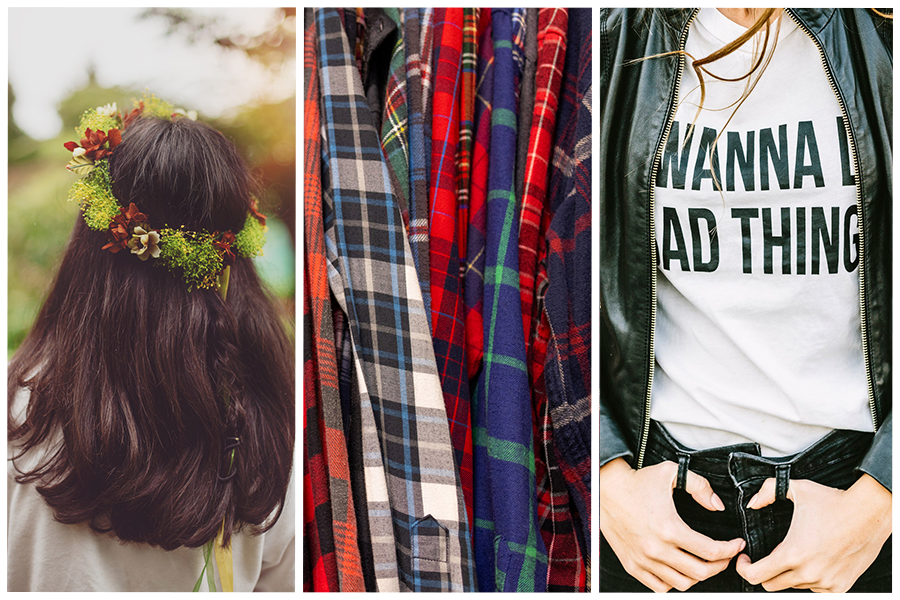
The makeup is bold. Coachella-chic is filling up Forever 21. The accessories are aviators, chokers and bomber jackets. The first season of a new show called “Stranger Things” dropped on Netflix. And Hilary Clinton wants you to Pokémon Go-to-the-polls. It was a simpler time. It was 2016.
The internet’s new favorite trend takes us back ten years, claiming that 2026 is the new 2016. Influencers and celebrities alike are posting throwbacks to the last decade and odes to a time that may be cringe, but free. Nostalgia trends are nothing new. Whether it’s kidcore, embracing your inner child or the return of King Kylie, nostalgia doesn’t just flood our feeds; it fuels our economy. So what is the 2016 trend and what does it say about where we are?
What is the 2016 trend?
Most users point to a TikTok video posted by @taybrafang on Dec. 31st as the origin of the trend. The post says “a decade ago TONIGHT,” with several pop culture moments and celebrity photos, all with the classic 2016 Instagram filter, while Justin Bieber’s 2016 hit song “Sorry” plays. According to TikTok, searches for 2016 are up 452% in just a week. Over 1.5 million videos on the site boast throwbacks to the year. Instagram posts show throwbacks to pop culture moments, music and fashion trends (we all had a skater skirt, right?).
@taybrafang can’t believe it | f4more #2016#nostalgia#la
Posts even showcase the retro Snapchat dog or flower crow filters. While 2016 may feel like yesterday to some, many of the memories uncovered online show how much time has passed. When was the last time you thought about the Mannequin challenge, fidget spinners, bottle flipping or dabbing? The trend aims to unearth the lost treasures of a bygone era. A transitional era, when the internet and social media weren’t necessarily new, but were still uninhibited and fun enough that everything wasn’t overly curated and users were more connected to loved ones and friends than bots.
Why now?
What propelled this trend into the stratosphere is the same thing that propels any other trend: tapping into the cultural pulse and the right moment. This trend is the perfect intersection of millennial nostalgia and Gen-Z escapism. It allows us to reminisce on the past with a (literal) filter. It is also one of the first nostalgia trends that Gen-Z is old enough to tap into. The core members of Gen-Z are between their late teens and late twenties, making them the prime targets for nostalgia bait.
Yes, we’ve finally reached that stage where we can look back at an era 10 years ago and vividly remember what we wore, watched and listened to. It also helps that eras of stress and fear make people more inclined to romanticize the past. Reports find that nostalgia is most prevalent most during stressful or uncertain times. And in an era when 24% of American workers say they are struggling with burnout, it’s natural that a trend focused on a time when users were between middle school and college can be a reprieve.
For neuroscience senior and veteran Gen Z’er Gianna Voce, the trend is emblematic of a feeling more than a time.
“My older siblings were in high school at the time and they would always play me their music or put the alt rock station on the radio,” Voce said, “While it’s not my music taste now, hearing the Chainsmokers, Cage the Elephant or Twenty One Pilots always brings back good memories of spending time with my siblings.”
For many Gen-Z’ers, the trend mostly reminds them of a simpler time when rent and loans were just words whispered by adults. Voce added that nostalgia trends are prevalent on the internet these days and there’s something to be said for looking forward.
“I think it’s totally natural for people to take inspiration from nostalgia and the past,” Voce said. “Honestly, I think all art does that, and so do trends. By nature of being made in 2026, things are inherently new. We can’t ever recreate 2016 because it’s not 2016.”
So, is 2026 the new 2016? Well, technically no. We’re barely a month into 2026 and there’s still so much that this year could shape up to be. But reminiscing on the filters, the winged liner, and Ari’s high pony could remind us all of a time when the internet was a little bit kinder and a little bit cringe. That’s the energy we’re carrying with us into whatever 2026 has in store.

is a digital producer for The NewsHouse.