
Onondaga Lake, and all the life it touches
Onondaga Lake, and all the life it touches
For years, Onondaga Lake was deemed unfit for swimming. Now that it has been declared safe, people wonder if it is really clean enough.
On a warm evening in July over 10 years ago, dozens of people in colorful life jackets dotted the surface of Onondaga Lake, treading water and tossing inflatable beach balls. At one point, a few gathered into a circle and floated on their backs with their legs in the middle, kicking their feet.
The swimmers were local leaders and community members who had come to champion reports that declared two-thirds of the lake safe in terms of water clarity and bacteria levels. Those who jumped in, including the highest environmental official in the state, mayors from the area and a former county executive, were celebrating what they considered to be the success of a decades-long effort to clean up Onondaga Lake, which at one point held the moniker of the “most polluted lake in America” and in 1994 was labeled a Superfund site by the EPA.
People in the water splashed and cheered. Upbeat music blared in the background. Meanwhile, picketers on the shore chanted, “Clean up the lake.” The protestors were members of the Onondaga Nation who held signs warning that contact with the water was dangerous. The day after the plunge, an Environmental Protection Agency administrator released a statement condemning the event, saying the lake wasn’t yet safe to swim in.
More than a decade after the polarizing swimming event, officials, scientists, county residents and community activists are still divided over the lake’s water quality. The lake’s watershed covers more than 200 square miles throughout Onondaga County, impacting hundreds of thousands of people. Some boaters said they now feel more comfortable using the waters, and government officials and researchers promote the successful remediation campaign to lower levels of mercury, phosphorus and nitrogen. But the lake maintains a poor reputation among some residents, some local leaders feel it’s losing the attention it needs to prevent regression, and environmentalists say it’s still nowhere near the body of water it was a thousand years ago.
“It took 200 years to destroy the lake, it’s taken 50 to get to where we are now,” said Ed Michalenko, president of the local nonprofit Onondaga Environmental Institute. “And there’s been tremendous accomplishments in those 50 years, but there’s still work to be done.”
Layers of lake history
In the late 1800s, the city of Syracuse underwent rapid industrialization, spurred by the discovery of salt beds and limestone. Municipal and industrial development along the lake began a steady flow of pollutants into the water, notably sewage wastewater and soda ash byproducts.
One of the biggest polluters was a company called Solvay Process, later consolidated with others into Allied Chemical Co. and now owned by Honeywell International Inc. Its plant made soda ash, an essential compound in the production of glass, powder detergent, lithium-ion batteries and other household items. It also made waste containing chemical pollutants that infiltrated the watershed until it shut down in the 1980s.
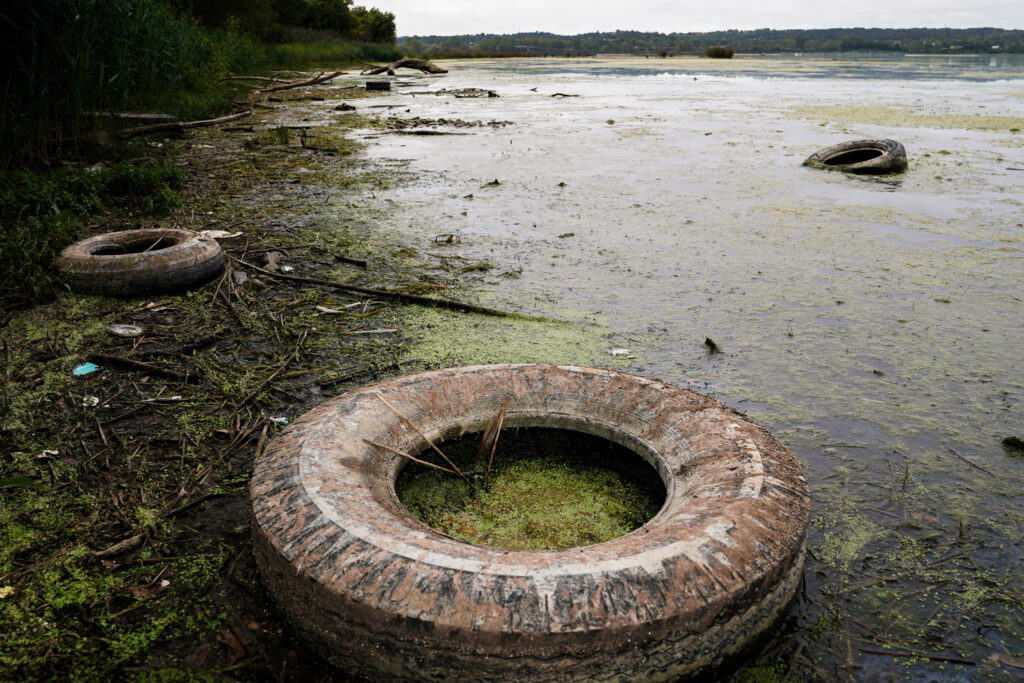
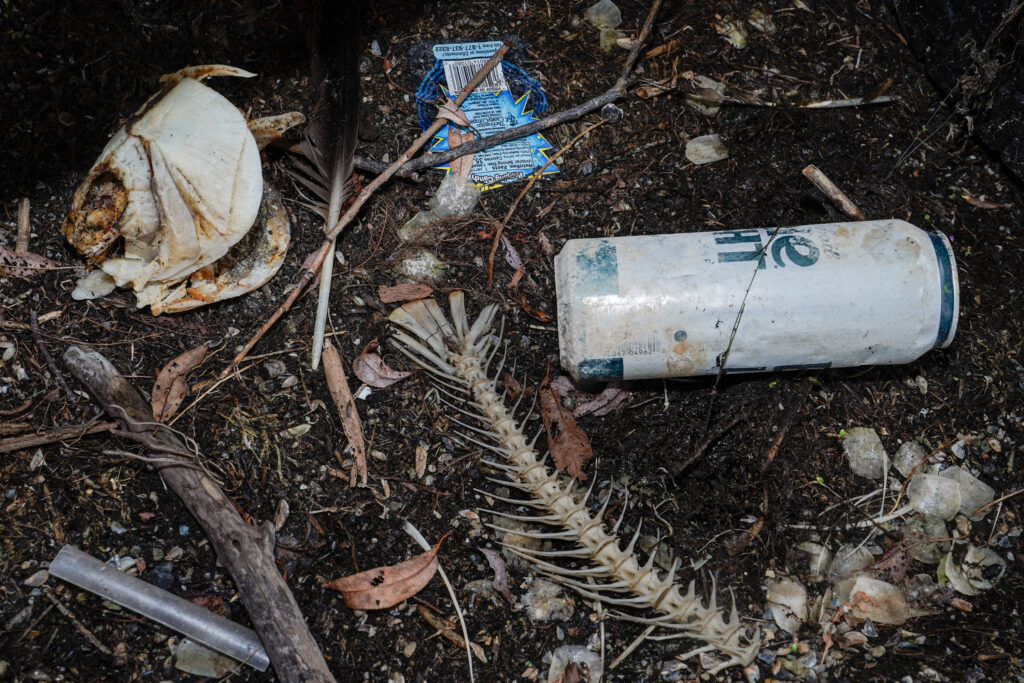
After more than a century of abuse, the lake was inundated with contaminants like mercury, phosphorus and so-called forever chemicals that don’t break down in the environment for decades or longer.
In 2006, a consent decree between Honeywell and the state of New York held the company responsible for implementing a lake cleanup program. To mitigate the significant risk posed by the contaminated lake bottom, the plan involved both the dredging, or removal, and isolation of the hazardous sediment. A “cap” of sand, gravel and other materials was engineered to layer over the lake bottom and trap contaminated sediment to reduce its adverse impacts on the lake. These dredging and capping efforts were completed in 2016.
For years during the remediation process, the lake’s hazardous diagnosis, murky appearance and at times strong odor fouled the public opinion and repelled potential recreationists. People eating the fish living in the lake were at heightened risk for mercury and lead poisoning. The pollution had desecrated a place sacred to the Onondaga Nation, the sovereign native nation south of Syracuse.
Then, it was declared clean — and in 2015, dignitaries went for a swim.
How clean is clean enough
According to the New York State Department of Environmental Conservation, the lake is the cleanest it’s been in over 100 years, due to the reduced risk of contamination from wastewater or stormwater, lower levels of industrial chemical pollutants and the intact lake bottom cap. There are also more recreational opportunities than there have been in decades, including sport fishing and boating.
Charles Driscoll, Syracuse University professor of environmental systems, was heavily involved in the lake’s mercury reduction efforts through nitrate treatment. He said this was the most effective instance of mercury remediation he knows of, but people continue to be skeptical about the lake.
“People are flabbergasted when I say how good the water quality is,” Driscoll said. “They just are assuming that it’s a horrible situation just because of what has happened in the past.”
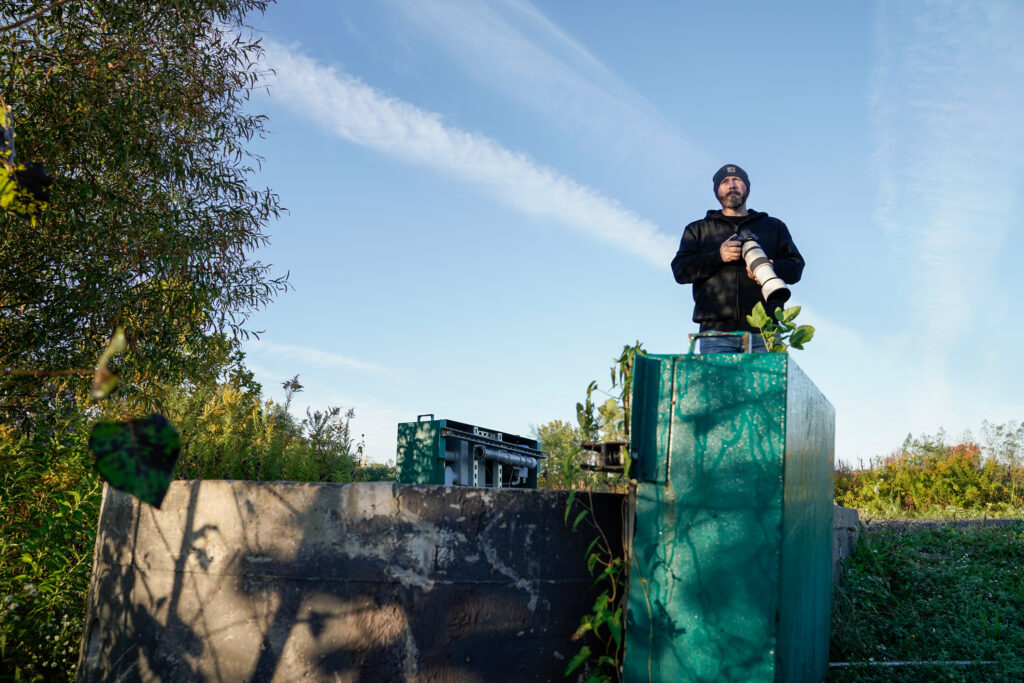
Driscoll ascribed some of the public attitude to misinformation on social media and a growing mistrust of science in general. Though awareness of the lake’s improved health is beginning to spread through word-of-mouth, the process is slower than he expected. To speed this along, he said community leaders need to step up and publicly champion the lake’s progress, especially those who were committed to the restoration in the first place.
A recent report produced by Onondaga County on orders of the Department of Environmental Conservation announced high levels of mercury, peaking at 5.7 parts per million, in the sediment of the Onondaga Lake Park Marina on the east side of the water. This testing was mandated following the county’s application to renovate the marina for the first time in almost a century. The county plans to dredge and cap this section of the lake, similarly to Honeywell’s previous procedure, pending DEC approval.
Driscoll said he wasn’t sure what to make of the contamination, but that it is likely localized to the marina. He theorized that it could have been the result of dormant conditions at the lake bottom or marine paints with a high mercury content. Before the report was announced, Driscoll said the levels of mercury in the water are “very, very close” to the EPA’s 0.3 parts per million target level.

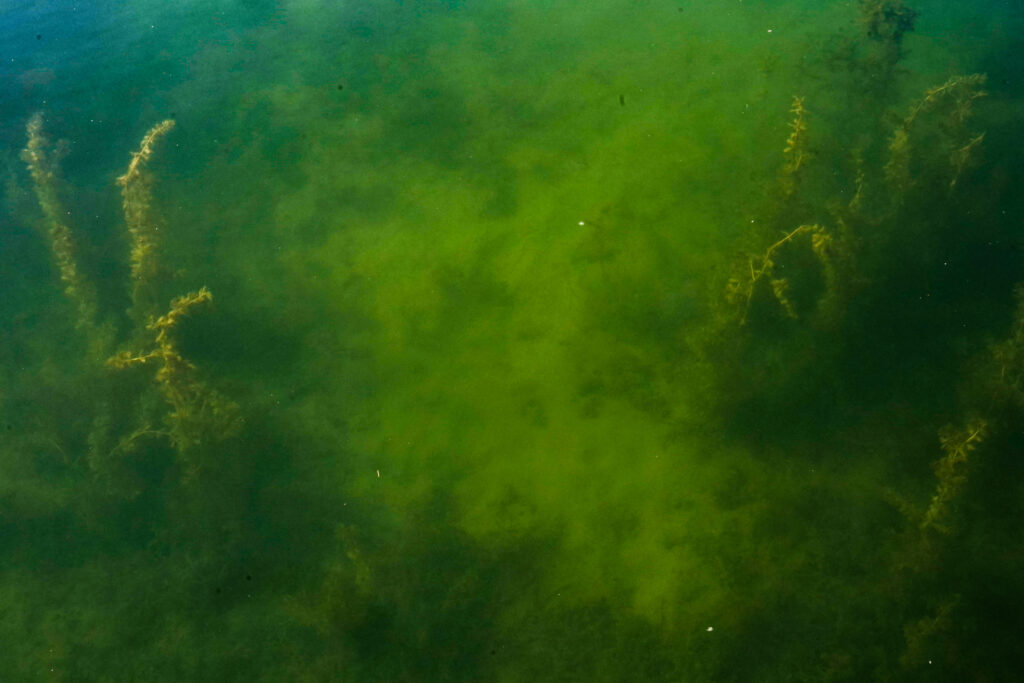
Also part of the mercury reduction project is Upstate Freshwater Institute, a nonprofit devoted to freshwater research in the state. Monica Caves, research scientist and outreach coordinator for UFI, said that different lakes have different markers of health to strive toward. Onondaga Lake’s current levels of phosphorus and chlorophyll, typical for a mesotrophic lake with intermediate nutrient and biological productivity levels, are a good sign for the water. UFI’s measurements of nutrients and water clarity show significant improvement in the lake’s water quality since the 1980s, when the lake had excess nutrient contamination leading to overgrowth of algae.
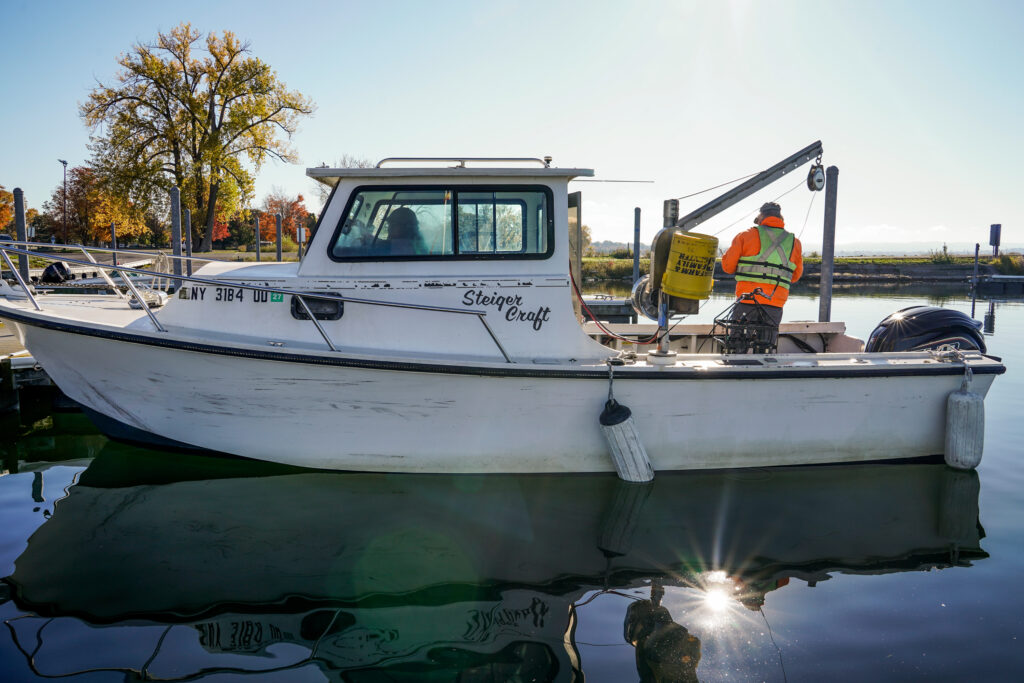
Despite the most recent mercury report, researchers are proud of the progress to clean Onondaga Lake. But experts have also said that stakeholders don’t always agree on the lake’s most pressing issues.
“I don’t think there’s a group consensus yet as to what everyone’s goal is,” Caves said. “Some people say that the work at Onondaga remediation is done. Other people disagree.”
The Onondaga Environmental Institute is pushing toward a specific goal: returning the lake to a cold-water fishery, which can support fish species requiring cool and highly oxygenated water.
“I use that as the canary in the cage, [as] an indicator that all other ecological parameters and conditions are correct in the system,” institute president Michalenko said.
He said this aspect of the restoration is not on the local government’s radar, and there would likely be no progress being made without nonprofits and other groups.
“In many cases, [the agencies] want to believe that it’s over. They finished. They have accomplished their goal of cleaning up the lake,” Michalenko said. “And that’s not true.”
Driscoll said the water is ready for public swimming access, and that a beach would be a “nice addition” to the lake. Although there are no open beaches currently along the shore, plans have been floated to open Willow Bay, at the northern end of the lake near the Seneca River outlet, to the public. No timeline has been announced for this concept.
Jeanne Shenandoah, widely considered the premiere expert from the Onondaga Nation on issues of the lake, criticized those encouraging the public to engage with the lake for swimming or sustenance fishing. She said there are still too many chemicals present in the water, citing mercury specifically.
“It’s crazy to want a swimming beach,” Shenandoah said. “Now, who would put their children into that water?”
Those monitoring the lake, and those who look away
Almost 30 community members gathered at Onondaga Lake one morning in November 2025 to learn about cultivating native plants. After listening to a presentation on the topic in the Visitors Center, they headed down to the lake’s pollinator garden and collected seeds to take home.
This pollinator garden is C.J. Harkola’s favorite project he’s been part of in his nine years volunteering with the Onondaga Lake Conservation Corps. The community partnership works with other entities, like New York State Department of Environmental Conservation and Onondaga Lake Park, to promote habitat restoration and public education around the lake.
The lake corp’s events allow people to learn how to make a difference on an individual or local level. These efforts are complemented by social media groups like Onondaga Lake Watch on Facebook, which practice what Harkola called “community science” by observing and reporting notable changes at the lake.
While citizens are often active and engaged in the lake’s well-being, Harkola said governmental organizations don’t make it a priority.
“The old adage if you build it they will come — well first, we have to rebuild it,” Harkola said. “We have to make sure this is a quality lake and they’re involved in it.”
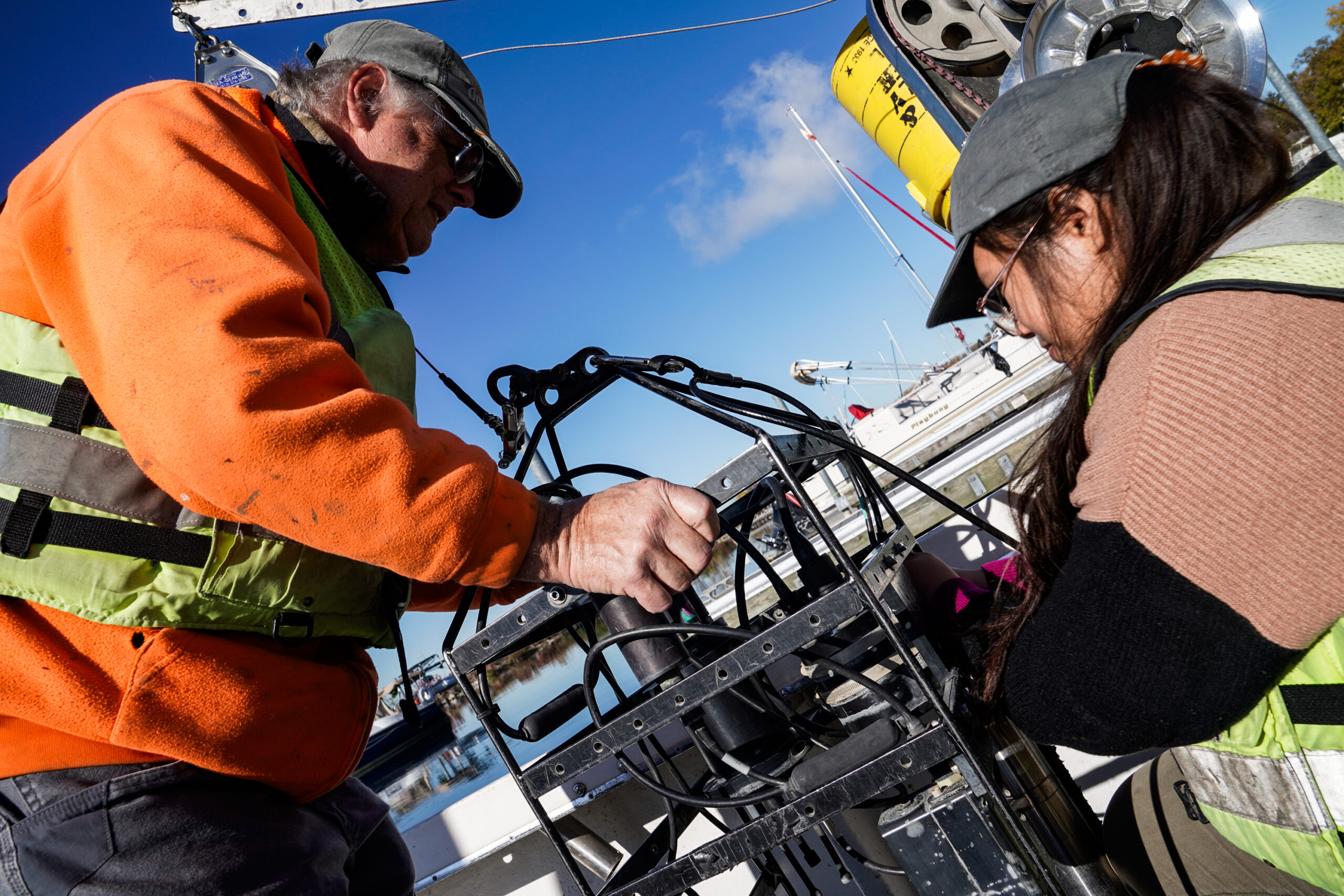
Onondaga County used to run a lake monitoring program that worked alongside organizations like the Upstate Freshwater Institute. In 2022, the government-sponsored monitoring ended, and UFI stepped in with the Guardian program. It collects surface and deep water samples to measure clarity, pH, color and other water quality characteristics originally assessed by the government. Monica Caves theorized that priorities for the county shifted and funds were needed elsewhere, but the Guardian program would preserve the continuity of the dataset so there wouldn’t be a gap in measurements.

Keeping an eye on the lake is also a priority for Alma Lowry, an environmental lawyer of more than two decades and counsel for the Onondaga Nation. Because millions of cubic yards of waste in the water were “capped” instead of removed, the lake requires careful monitoring and maintenance, which Lowry is not confident Honeywell, the company responsible for much of the original pollution and the lake’s dredging and capping, will provide. This stops her from buying into the idea of the lake as an already accomplished success story, ready to reopen to the world without safeguards.
“They are telling a story that is going to create more danger for the world,” Lowry said. “Unless people have their eyes open and recognize that this is a temporary fix, that’s not even complete yet, it’s going to be enormously easy to backslide.”
She said citizens should continue to make their concerns about the lake known to the state and ask questions to hold agencies like NYSDEC accountable.
Shenandoah of the Onondaga Nation agreed that agencies must be held accountable in the restoration process, especially when many of them consider their work done. She called pushing for the lake’s restoration a “constant battle,” fraught with dishonesty and a lack of transparency from corporate and government entities.
“Individuals need to team up with people that are working for justice for the lake, for the land around the lake,” Shenandoah said. “There’s ways to join in.”
While some individuals and smaller groups are working together from the ground up, Shenandoah said there is fundamental disagreement about the lake’s health among institutions in the state. She said overcoming this dissonance and continuing progress is essential for the sake of the water.
“Water is a living thing and people cannot live on this Earth without water. We need to treat it respectfully,” Shenandoah said. “It’s a living spirit, and people don’t see it that way. It’s very important for us to clean it respectfully.”
Damage to the water puts individuals and communities at risk
More than a thousand years ago, leaders of five nations — the Mohawks, Oneidas, Onondagas, Cayugas and Senecas — came together on the shores of Onondaga Lake to accept a message of peace and unification. They formed the Haudenosaunee Confederacy, a participatory democracy widely considered the oldest of its kind in the world and an influence on the United States’ Constitution.
Neal Powless, a member of the Onondaga Nation, said the lake sits at the heart of this unification.
This means the damage colonizers and industrialists inflicted took not only a physical, environmental toll, but a cultural one as well. Powless compared the current state of the lake to the state of modern U.S. democracy: degraded by the exclusion of people and voices.
“Wouldn’t Americans, if they knew the roots and inspiration for democracy that they get to vote for every four years was founded on the shores of Onondaga Lake, wouldn’t they also want that lake to be as clear and pristine as they want their democracy to be?” Powless said.
Powless said that the capping of the lake already completed by Honeywell helped in a small way, but didn’t restore the water to the way it was, acting as a constant reminder that there’s more needed to be done.
Lowry, the Nation’s counsel, said the consistent disregard for the Nation’s historic ties to the lake and a lack of effort to return the water to conditions suitable for them to recreate a way of life are the most profound issues of environmental justice. But the human health cost of the water’s pollution is skewed in other ways as well.
Onondaga Creek, a highly polluted tributary, runs for 27 miles and cuts through both the Onondaga Nation and Syracuse’s Southside neighborhood, a predominantly Black community. The creek presents hazards like increased flood risk and exposure to pathogens from the sewage waste dumped in it.
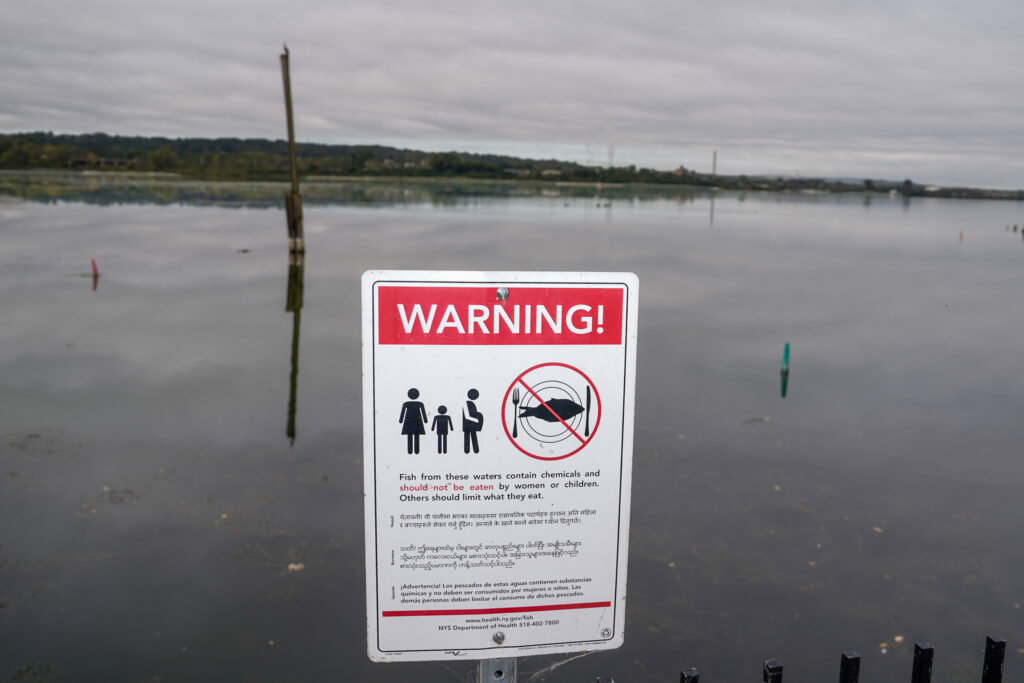
At the height of mercury bioaccumulation in fish living in the watershed, the populations most at risk for elevated mercury levels were Burmese and Bhutanese refugees in Syracuse. A study launched in 2013 found elevated mercury and lead levels in the blood of individuals from these populations. Despite these risks, it took two decades of deliberations along with pressure from activists for officials to place warning signs around the lake. Today, signs are posted in four languages — English, Spanish, Burmese and Nepali — advising that eating fish from the lake may be harmful.
Since 2010, the EPA has recommended that women under 50 and children under 15 not eat any fish from the lake. Driscoll, the SU professor involved with the mercury remediation, said that regulatory agencies like the EPA tend to be conservative with their guidelines and slow to update them.
Shenandoah said this is another instance where the local government and institutions have not done enough, including educating community members within walking distance of the lake of the potential fishing hazards.
Powless added that these stakeholders may be inspired to make a stronger effort on the lake’s issues by listening to community members and youth showing initiative. Onondaga Earth Corps is one group that aims to inspire young people to get involved in environmental activism.
“I think that’s the crazy part, is that it keeps getting put on Onondaga that we’re not happy, or that it’s not enough, or that it wasn’t done right, or that we’re complaining about it,” Powless said. “We’re doing that for you. We’re making that stand for all of life. Why aren’t you joining us in that conversation?”
The recreational potential of a healthy ecosystem
During the Great New York State Marathon Weekend in fall 2025, spectators crowded around the starting line as runners prepared for a race alongside the water. On a sunny day in October, cyclists and families with strollers rolled along the paved ground of a lakeside trail. For almost two months in the winter, visitors drove through lit holiday displays at Lights on the Lake.
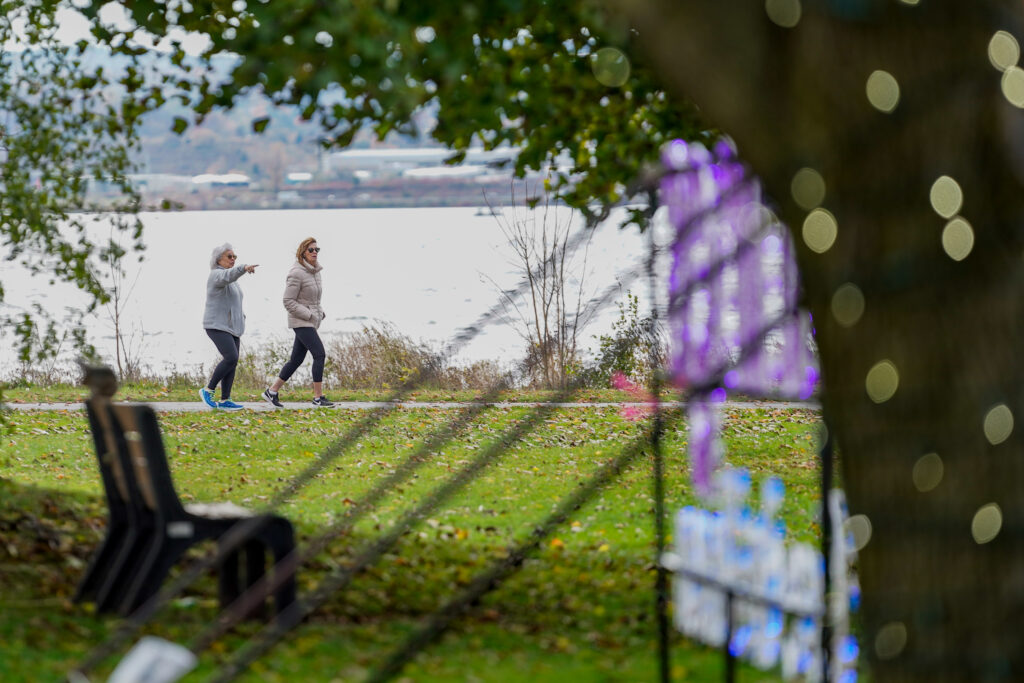
The lake is a focal point for the community in many ways, offering activities on a paved perimeter that bring people to the periphery without entering the water. Onondaga Lake Park is considered a “greenway,” a stretch of land along a natural resource, made of several different trails totaling over eight miles. These are used by recreationists and groups like Onondaga Lake Conservation Corps, which tries to connect people to the lake through guided tours.
Development for the sake of recreation next to water can come with drawbacks. Catherine Landis, the science advisor for the Center for Native Peoples and the Environment at SUNY Environmental Science and Forestry, criticized plans to expand the Creekwalk that runs parallel to Onondaga Creek and connects to the lakeside Murphy’s Island trail. She said more pavement will intensify the urban heat island effect — where metropolitan areas are made warmer than rural neighbors because of human impacts — and adding lights will worsen light pollution.
The Murphy’s Island section of the lake is a popular winter destination for bald eagles to roost. An influx of warm wastewater from a nearby treatment plant draws fish that the eagles prey on, and the abundance of eagles draws birders and other nature enthusiasts to the water. Shenandoah said she felt sorry for the birds because of their exposure to toxic fish and a habitat contaminated by wastewater.

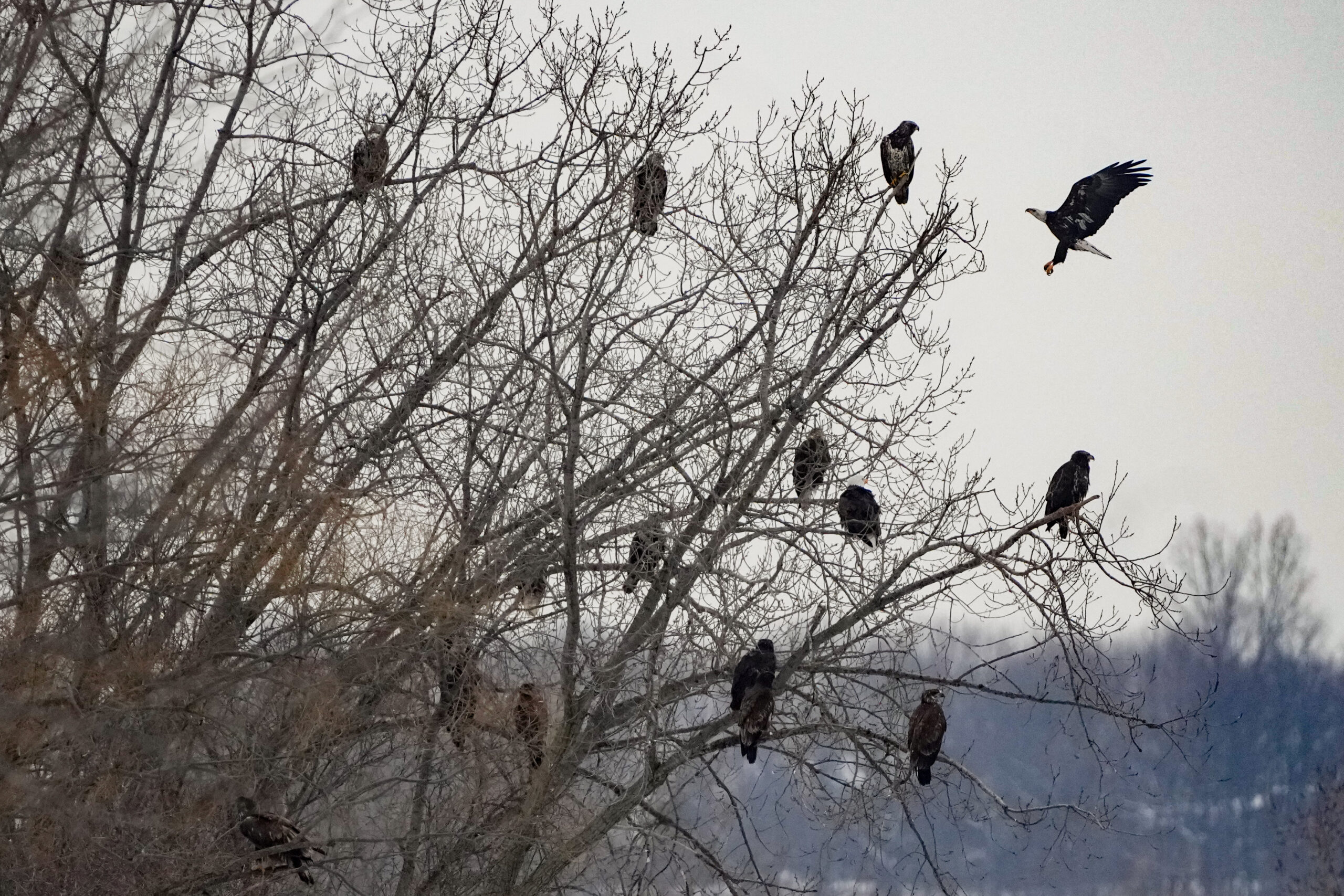
In 2022, the Loop the Lake system of trails expanded to include the short path on Murphy’s Island.
“That was a great idea, but they destroyed a whole bunch of eagle habitat. They continue to do really foolish things, in my opinion,” Landis said. “So just stop doing that. Think of the lake as an ecosystem.”
Resources that could have gone into the lake’s restoration have been poured into the upcoming Onondaga County aquarium, Landis added. She said a less expensive and smaller-scale aquarium could have displayed fish native to the lake, had they been a priority.
Shenandoah said she disapproved of importing marine animals from afar with no connection to the area.
“People are going to come and stand around, smile at all these fishes, when just a very short while away is a lake that at one point in time had the reputation of being the most poisoned lake on this continent,” Shenandoah said.
The water itself is another reservoir of potential recreation. Caves, the research scientist from Upstate Freshwater Institute, has noticed more and more boaters and anglers sharing the lake when she’s taking measurements of the water. The system of waterways is conducive to canoeing and kayaking. And for over 50 years, the CHARGERS rowing club, a Central New York community organization, has trained and competed on the lake.
Executive Director Tim Daughton started rowing on the lake in 1991, a time when people shied away from using the waterways. He felt this hesitation at first, but with the restoration and the perceptible improvement in water clarity, he feels much more comfortable being in the water.
“In all my years, believe it or not, of rowing, that’s never been a concern from a parent or an athlete – the waterway being dirty or contaminated,” Daughton said. “In Syracuse, we really have the best of both worlds … We almost have unlimited infinite water that we can row on.”
Public perceptions of the lake
While Daughton doesn’t often hear bad press about the lake water, not all residents can say the same. Megan Acker lived in Oswego County growing up, recently graduated from Syracuse University and now works as a journalist in Buffalo. She thought back to hearing about the lake as being “mythically polluted,” its reputation was so bad.
When the dredging of the lake was underway, nearby residents were excited to finally have use of such a big part of their lives again. Acker said Onondaga Lake can act as a comeback story to inspire the care of other polluted areas, although there’s still room for improvement.
“Really, what they have right now, is a PR issue. I think a lot of people, especially people my age, have grown up knowing it was a dirty lake and it was a toxic lake and you couldn’t do anything with it,” Acker said. “The bigger problem is that even if you get it crystal clear, you can see through to the bottom, a lot of people are going to be really apprehensive about going to Onondaga Lake for recreation.”
Juliann Axton, a Delaware transplant who’s now lived in the area for over 20 years, remembers the media coverage of that publicity swim in July 2015, when the community was supposed to see how clean the lake had become. She said she saw a follow-up report a week or so later about the water testing positive for contaminants like mercury, lead and pesticides, which to her meant that the celebratory plunge was premature.
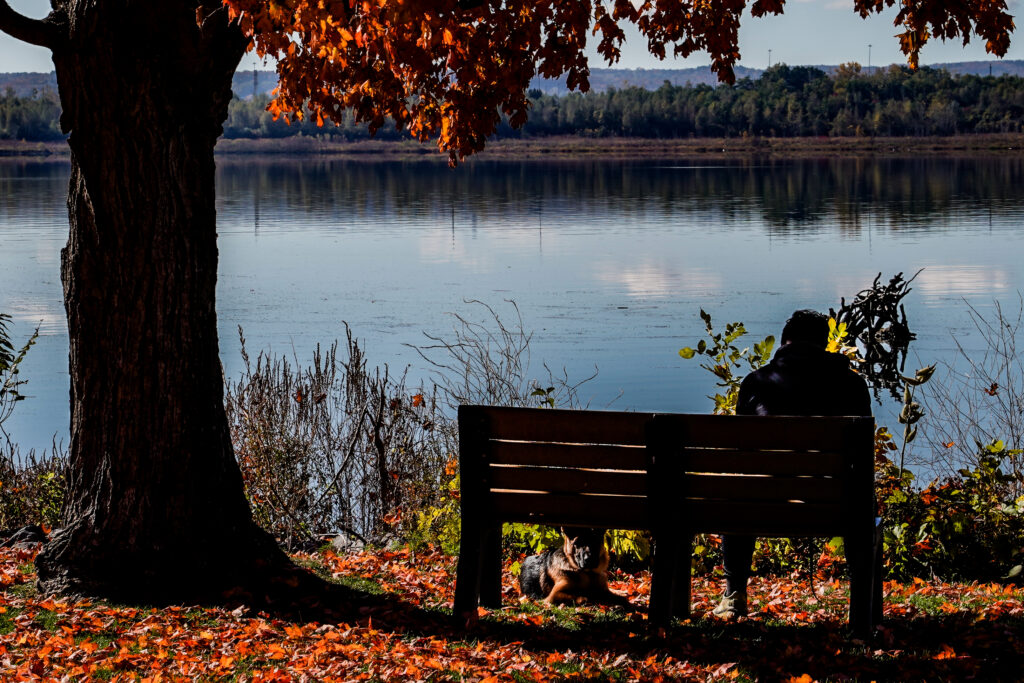
The next time around, Axton said local leaders need to be absolutely sure when they say the lake is clean. Especially in a smaller community, where the lake is almost infamous and word of its reputation spreads quickly to newcomers, it takes effort to undo such a mistake.
“They really need to show, get the faith and the trust back from people that it really truly is clean and it is safe,” Axton said. “Learn from their mistakes and then clearly communicate that out to people.”

is a contributor for The NewsHouse.

is the Visual Lead Producer for The NewsHouse.