
Lyme disease risk grows as tick populations surge in CNY
Lyme disease risk grows as tick populations surge in CNY
With colder months shifting in, populations of adult ticks are expected to remain active in the area.
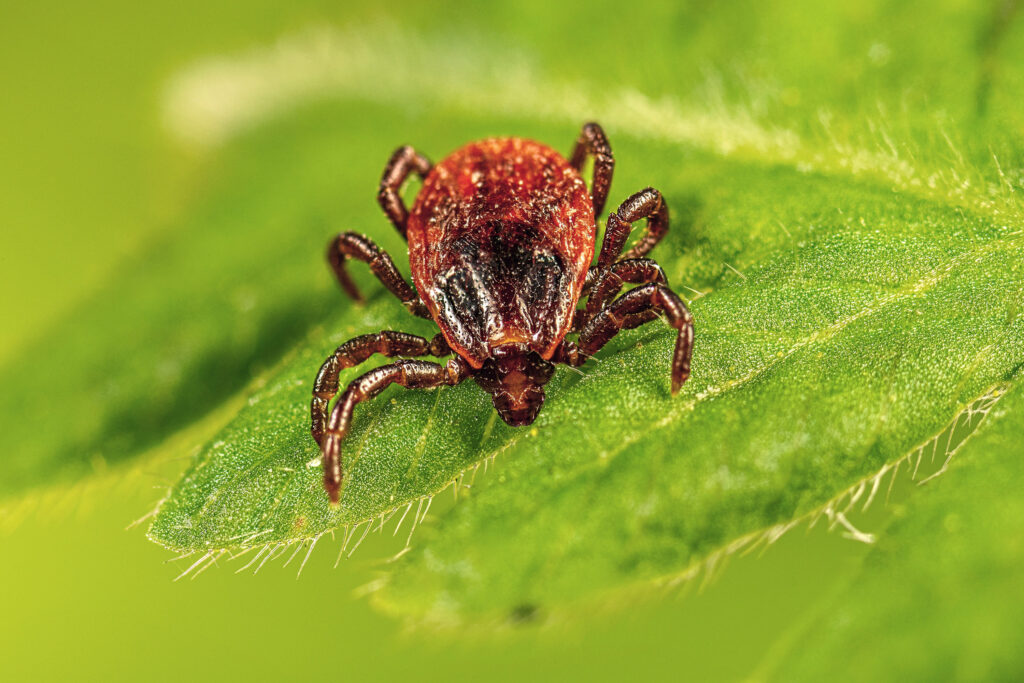
On a Cape Cod family vacation in 2017, Syracuse resident Jonah Cummings came down with a wave of symptoms he couldn’t explain: A month of body pain, severe fatigue and memory fog.
“I had no idea what was going on,” Cummings said. “I never found a tick, I never had the classic rash that a lot of people say you’ll get with Lyme disease.”
After a month, testing confirmed that Cummings had Lyme disease. The bacterial infection can lead to a range of symptoms in humans, affecting the joints, heart and nervous system over time.
He took the 28-day course of doxycycline, the standard antibiotic treatment for Lyme disease. On day 29, he still felt horrible.
Cummings would become one of the complex, long-term cases of post-treatment Lyme disease syndrome(PTLDS), sometimes referred to as ‘chronic Lyme disease’. He would later learn that he was one of 10% to 30% of patients with Lyme disease who experience lingering symptoms for months or even years.
According to the Centers for Disease Control and Prevention, every year approximately 476,000 people in the United States may be diagnosed with Lyme disease, with the highest reported cases in the northeastern states.
Syracuse’s wooded trails, parks and backyards provide the ideal tick environment, and now, while the weather is shifting, the risk of exposure to tick-borne infections is still very prevalent.
Cummings serves as the education and partnerships program manager at Central New York Lyme and Tick-Borne Disease Alliance, and said the organization relies on experts to track tick trends in the region.
Saravanan Thangamani, a professor in the Department of Microbiology and Immunology at SUNY Upstate Medical University, sits on the alliance’s board and is director of the Thangamani tick testing lab.
Thangamani said data from the lab shows about 1 in 3 ticks tested carry the bacteria that causes Lyme disease, while 10% to 12% carry anaplasmosis or babesiosis – two other tick-borne infections sharing common flu-like symptoms, including fever, chills and headaches.
“It’s not like 1 in 100 ticks are carrying these diseases,” Thangamani said. “They are very prevalent in the tick population here in New York.”
Ticks sent to the lab in the first six months of the year doubled since 2025, and Thangamani anticipates 4,000 ticks will be sent by the end of 2026.
Thangamani attributes the rise in ticks to overlapping factors. Warmer summers allow for ticks to survive longer into the fall months, new housing disrupts wooded areas where ticks thrive and activities such as camping and dog walking increase contact with ticks.
Syracuse resident Ed Jung said he tries to stay in urban areas on his regular walks with his dog rather than wooded trails. However, he still keeps his dog on tick medication as a preventative measure.
“It’s more precautionary than anything,” Jung said. “It’s better to nip it in the bud rather than have a problem.”
But ticks are not confined to rural areas. Cummings said wildlife such as white-tailed deer, mice and squirrels are what he calls “tick taxis,” and can carry ticks into the city.
Even though he lives in the suburbs, Thangamani said that living in any environment with animals puts humans at risk of tick encounters.
“I don’t think it particularly matters whether in upstate New York, urban or rural, you’ll find ticks,” Thangamani said.
Cummings pointed to practical steps for lowering the risk of infection such as using DEET repellents, wearing light-coloured clothing that covers exposed skin and performing thorough tick checks after spending time outdoors.
The alliance works to bring tick awareness to the Syracuse community through school education programs and summer camps. Cummings said equipping the public with prevention knowledge is a core part of his mission.
“I’m hoping to prevent what happened to me from happening to other people in the community,” Cummings said.
For resources and tick testing information, visit Central New York Lyme and Tick-Borne Disease Alliance.

is a contributor to The NewsHouse.