
Student designers blend fashion and biology at second annual Anatomy Fashion Show
Student designers blend fashion and biology at Anatomy Fashion Show
Phi Delta Epsilon and The Fashion and Design Society teamed up at Schine Underground to educate student body and raise funds for Upstate Golisano Children’s Hospital.
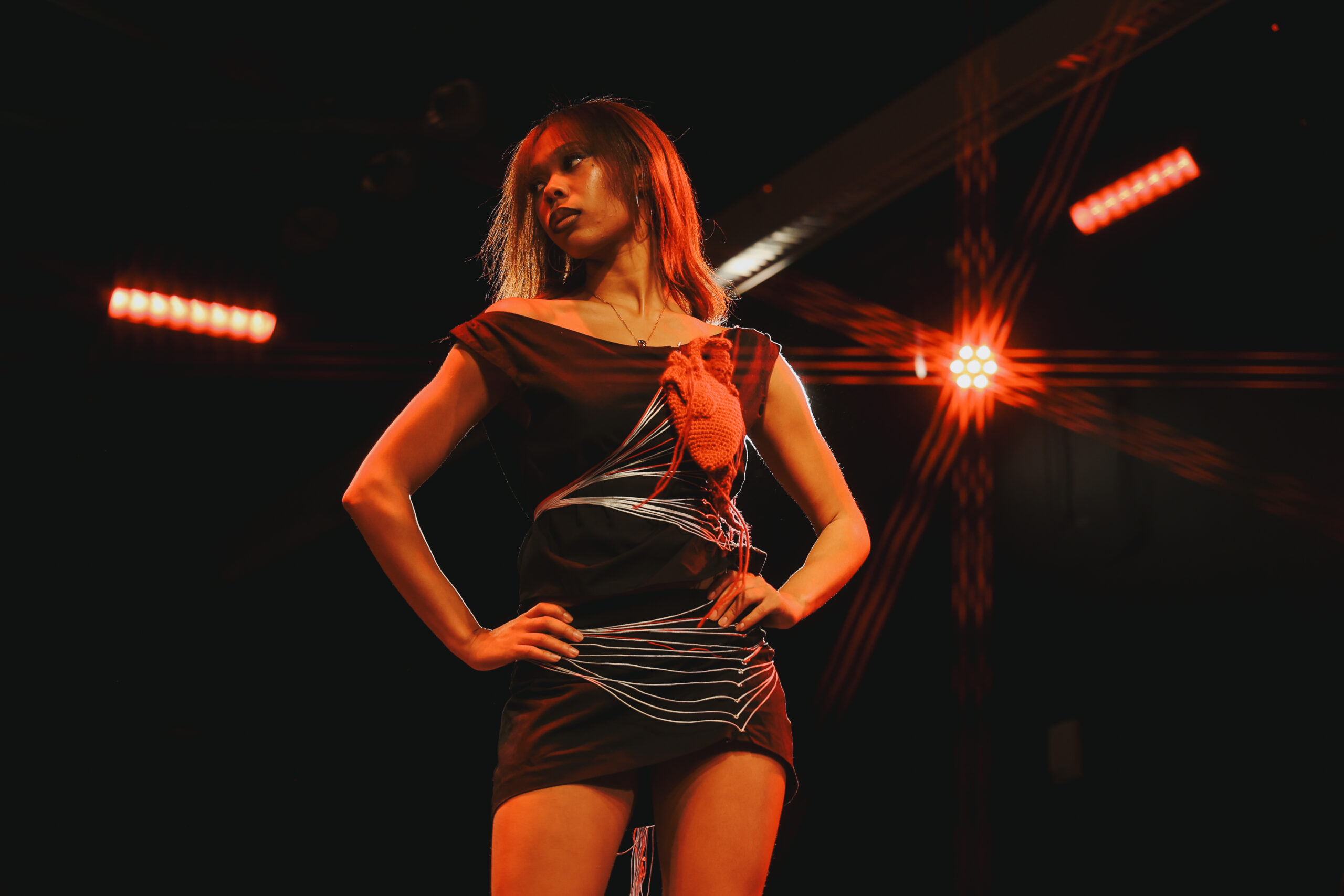
Sunday evening models walked the catwalk at Schine Underground, wearing original student-designed pieces inspired by human anatomy and body systems.
The medical fraternity Phi Delta Epsilon collaborated with The Fashion and Design Society (FADS) to host the second annual Anatomy Fashion Show to conclude the fraternity’s international week of philanthropy, Stand For The Kids. The show, along with other events throughout the week, was hosted in support of the Children’s Miracle Network, a nonprofit organization that raises money for children’s hospitals across North America.
All of the proceeds raised from ticket sales are going to the medical fraternity’s partner, Upstate Golisano Children’s Hospital, the local Children’s Miracle Network hospital. Attendees were also encouraged to donate to the cause through a QR code printed on the back of the event program.
This year, the fraternity wanted to educate the audience on the specific function of each body system.
“We’re doing a little more of an instructional approach,” said Phi Delta Epsilon chapter president Kabir Kalia before the start of the show, adding that organizers wanted to teach the audiences how body systems can impact college students daily lives.
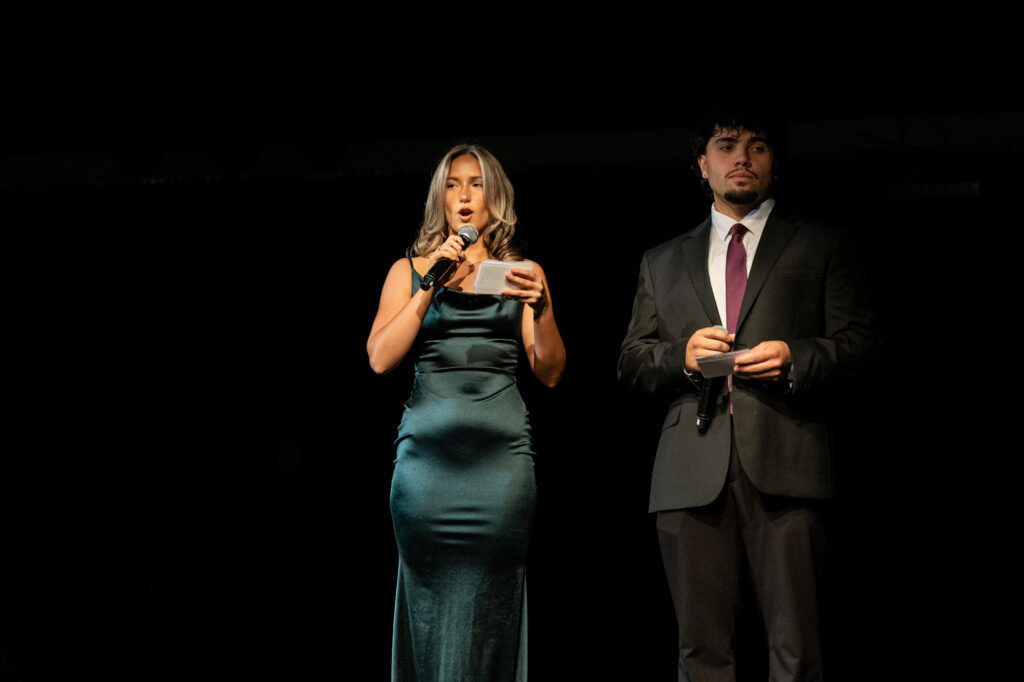
Kalia opened the show by promoting the work of the Children’s Miracle Network and encouraging attendees to donate. After thanking the FADS team, he introduced emcees Natalie Risley and AJ Borgos, who kicked off the show by introducing the reproductive system.
Divided into 11 sections, one for each body system, the show opened each segment with emcee-led trivia and audience activities that highlighted biological functions while offering practical wellness tips.
All 11 systems opened with a model wearing an anatomically correct bodysuit painted by members of Phi Delta Epsilon. This was followed by two artistic interpretations from FADS designers.
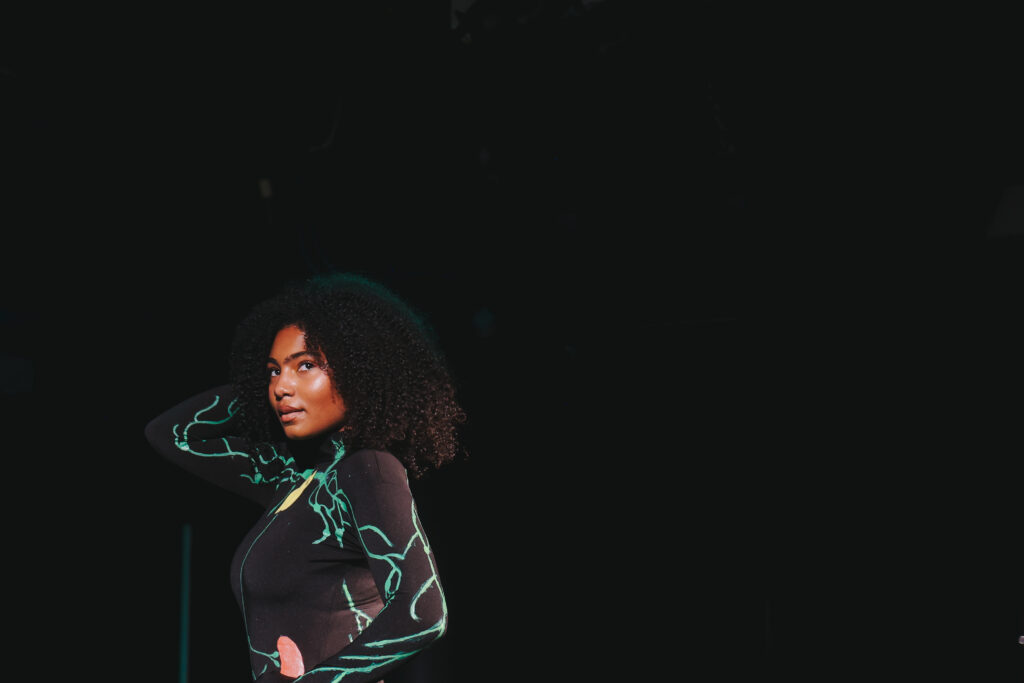
Models walked across a stage, backlit by colorful lighting that complemented each featured design. Instrumental music accompanied each section of the show, shifting between energetic and calm tracks.
The 11 sections each featured a distinct style and color palette, ranging from natural yellow garments for the urinary system to a red-and-white long coat depicting exposed bone and muscle patterns for the muscular system.
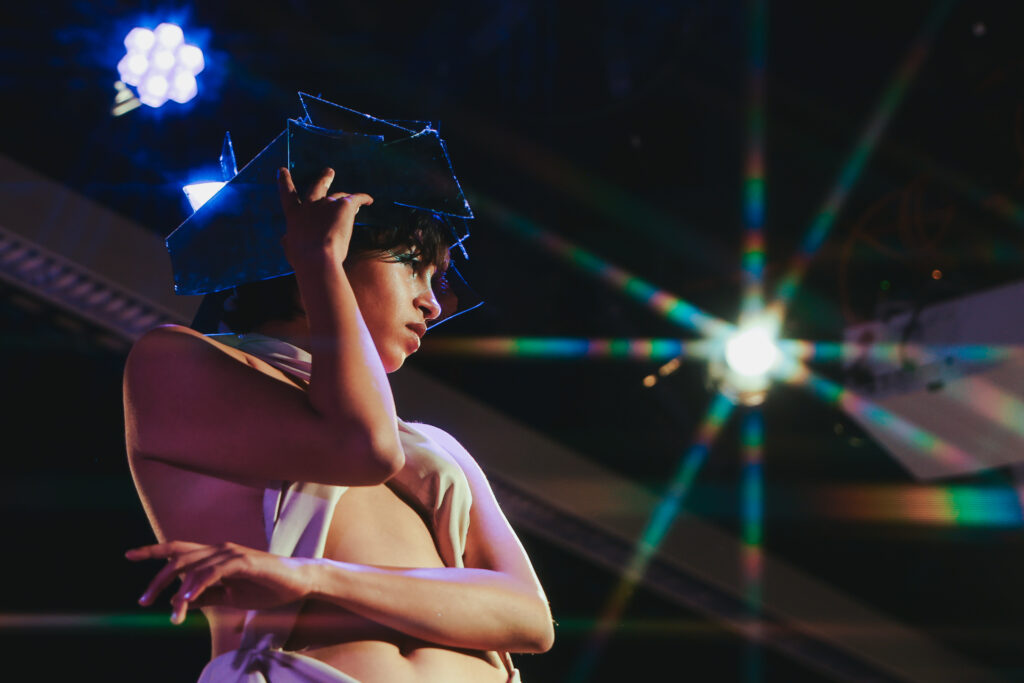
A beige halter dress with a plunging neckline stood out during the endocrine system portion of the show. Model Sreshtha Thangaswamy wore the dress alongside a headpiece crafted from reflective glass fragments.
“I drew inspiration from daily life,” said designer Emma Knorpp.
Crafting the headpiece from a shattered mirror, Knorpp assembled the fragments on the fly to match her evolving vision, using the piece to emphasize key glands and functions of the endocrine system.
“Anatomy is such an artistic thing,” said FADS President Tannah Hines. “Relating fashion to the way the body moves and operates…I think it’s a very beautiful way to express science and fashion in one event.”
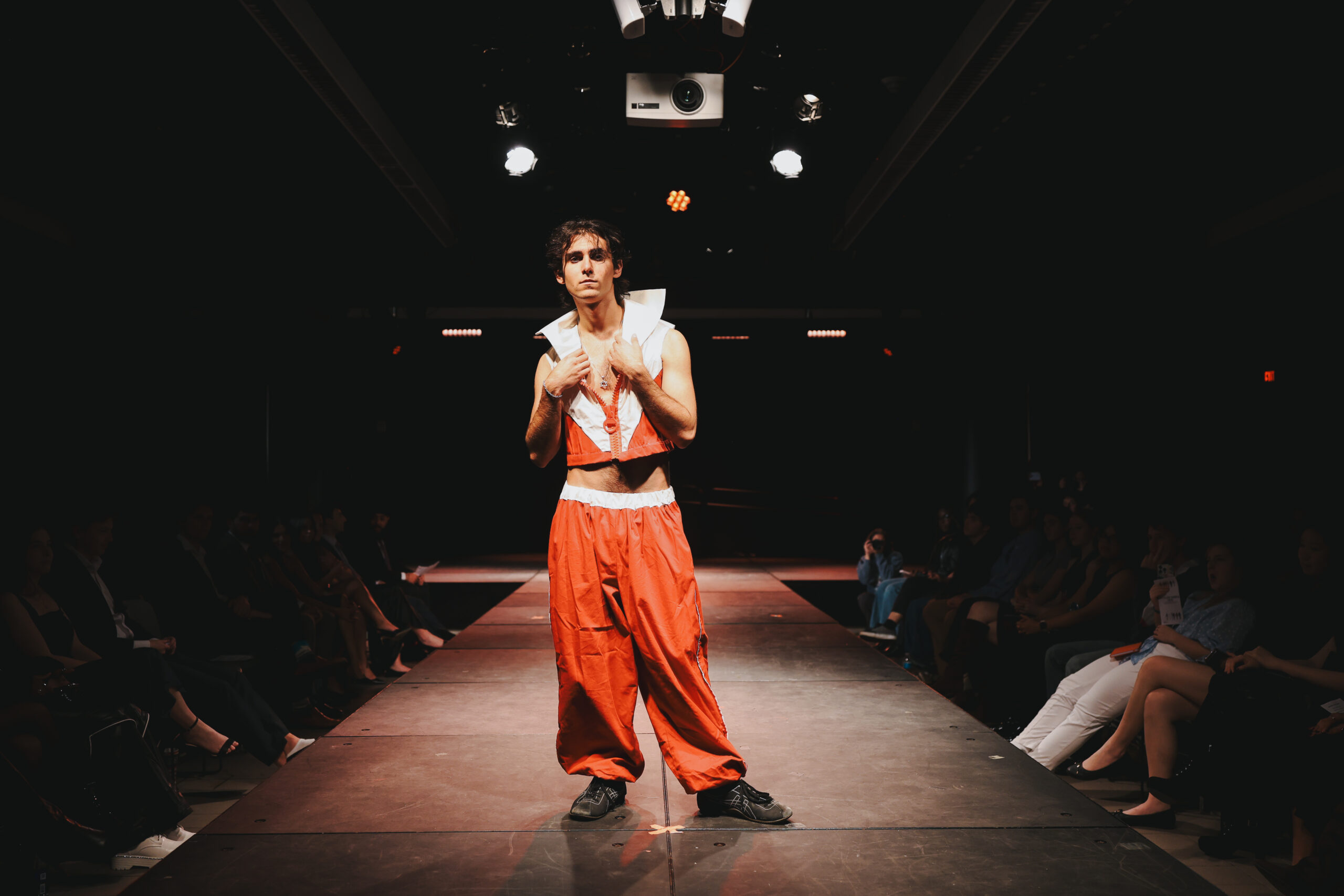

For FADS, the show required months of preparation to select themed designs, style looks, and organize makeup. Hines said helping to raise money and awareness for a local cause made the months of work pay off.
After the event, Phi Delta Epsilon announced it raised $2,295 during Stand For The Kids week. The fraternity is accepting donations through Oct. 31 on the Children’s Miracle Network website.
“I think it’s super cool to be a part of the education of a different group of people,” Kalia said. “Spreading awareness is a big part of medicine and healthcare, and that’s a big mission of PhiDE.”

is a Digital Producer for The NewsHouse