Light in the darkness
Light in the darkness
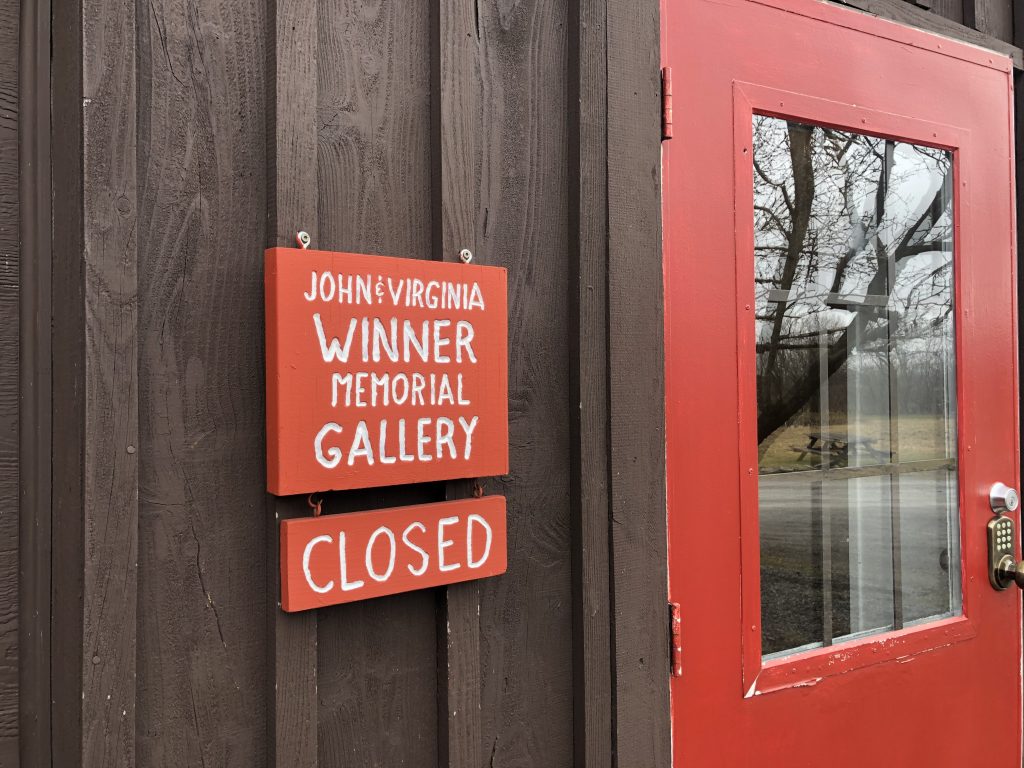
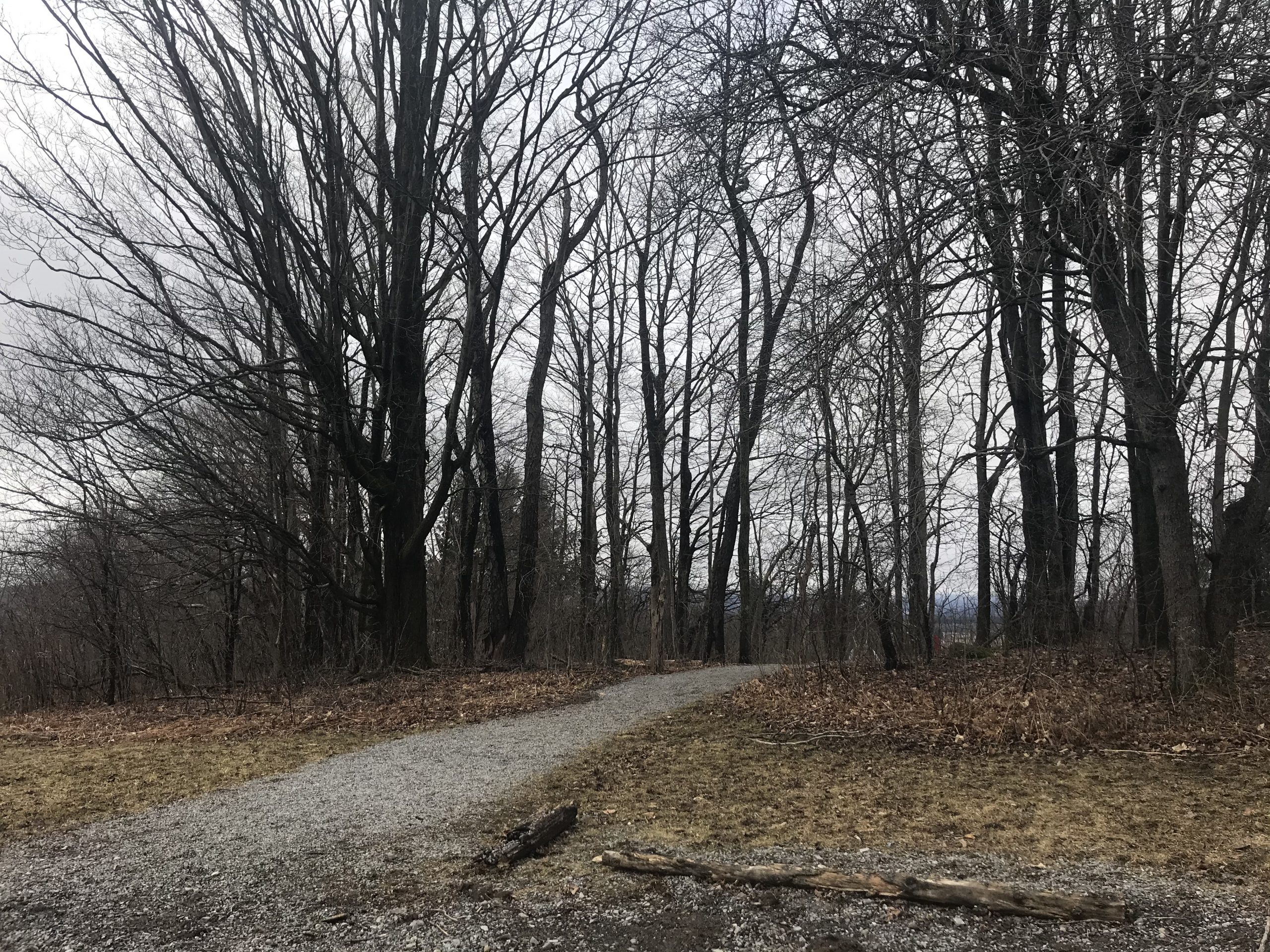
Stone Quarry Hill Art Park sits atop a hill just outside the town of Cazenovia. A destination in the town for years, the park offers scenic views of the countryside, sculptures from artists across the globe, an art gallery, and an artist studio. Numerous events throughout the year are held on the site, but COVID-19 is transforming that.
“It’s definitely changed our upcoming season,” park director Sarah Tietje-Mietz says. “It’s made the plans that we’ve been working on all winter in flux. We have to look at what we’re hoping to accomplish in terms of our programming.”
An April tree planting ceremony, in which 220 saplings donated by the United Climate Action Network, was canceled. The purpose of the project was both aesthetic and environmental. The saplings were to have been planted artfully while also serving to capture carbon dioxide to reduce the effects of climate change. A preservation conference in late March has been tentatively rescheduled for December. While the outside portion of the park remains open to the public, the gallery is shut down. People are free to roam the park, but the staff encourages CDC guidelines.

Light art artist Annie Mitchell is the 2020 artist-in-residence at the park. Her work features ethereal displays of light sculptures in nature. Mitchell’s exhibition of lights strung around the outside sculptures was scheduled for July.

Mitchell, who is living in California, still plans to reside at the park in July and August, as scheduled, but that depends on the course of the coronavirus. She says that the devastating effects of COVID-19 are going to, and have already, hit artists hard. “We typically are living paycheck to paycheck, or exhibit to exhibit,” Mitchell says. “It’s [COVID-19] pretty devastating to the way we live. We’re not only trying to make our ends meet, we’re trying to fund our own work. Artist’s aren’t just working for their bills, they’re working to create.”
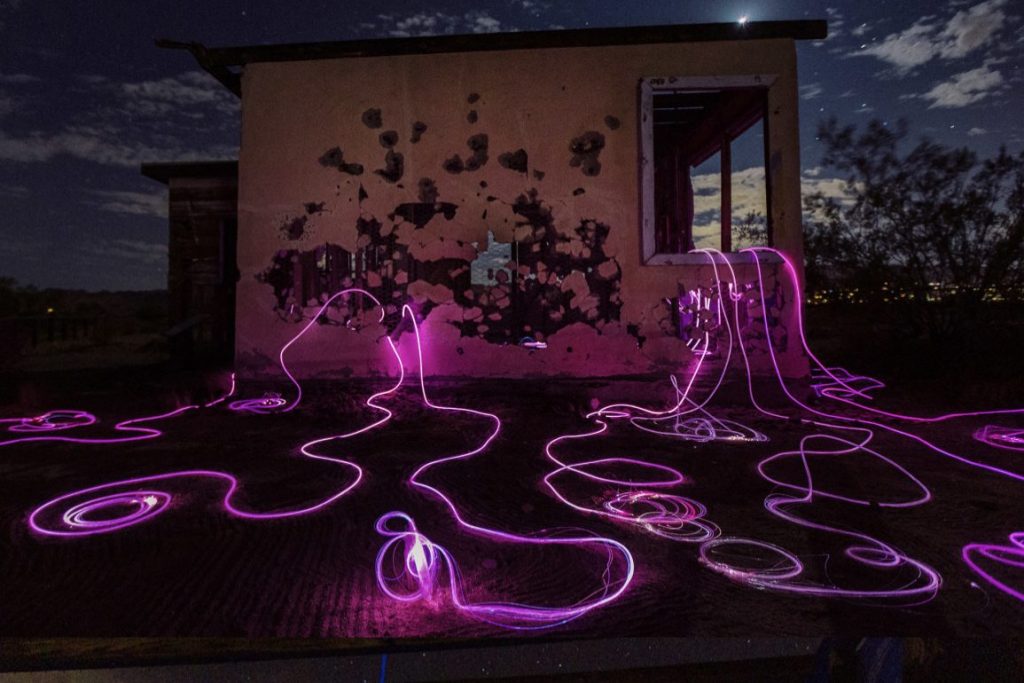
Tietje-Mietz and the park’s CEO, Emily Zaengle, are figuring out how to proceed with community outreach. Zaengle isn’t sure if they’ll begin to stream certain events, but whatever is ultimately decided, she says she’s dedicated to assuring that art reaches people. “It’s making sure that the arts are present and at the forefront of people’s minds as an essential service, and as an essential part of our communities,” Zaengle says.
While COVID-19 has created a myriad of problems, Mitchell can also see a glimmer of light in the midst of the virus’s darkness. She believes that this time of enforced solitude may create an artistic boom. “I think that, potentially, this could be a time of an incredible output of creativity,” Mitchell says. “The entire world is shut down. Everyone is going inward. We’re looking at things that are really important to us. With every great hardship, you see a spike of creative output.”

This article is the first in our Fermata: Arts and Culture in the Time of Coronavirus series reported by students in the Critical Writing course at the Newhouse School. In the coming days, Fermata will feature stories on the impact of the pandemic on a wide range of artists and cultural figures, from musicians and comedians to restaurateurs and boutique owners.

is a Newhouse School graduate student and contributor to The NewsHouse.