
‘Heated Rivalry’ turns the heat up on queer conversations within the sports world
‘Heated Rivalry’ turns heat up on queer conversations for sports
Commentary: The pop culture phenomenon rivals-to-lovers hockey story found an audience beyond the rink
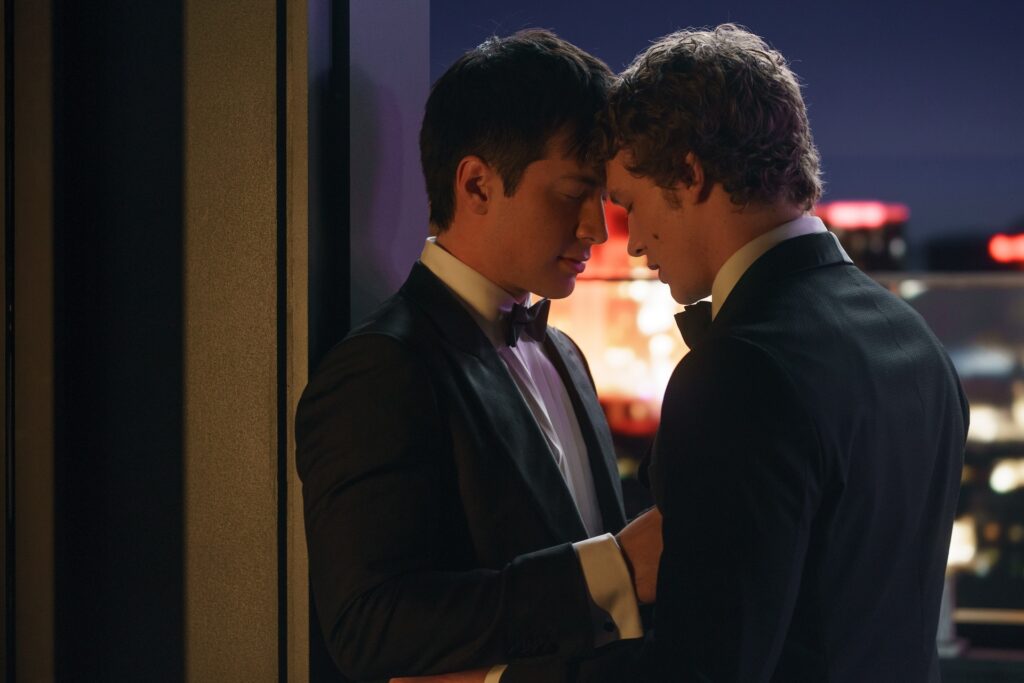
With queer stories populating mainstream media, popular shows of the season are exploring stories that showcase love through closeted spaces. This includes examples such as Netflix’s Boots and Hulu’s Overcompensating. December’s Heated Rivalry followed in suit and became a pop-culture phenomenon. In addition, the show has opened the door for queer athletes.
Heated Rivalry, a Crave original on HBO Max, is not a sports show about queerness. Instead, it is a queer love story that happens to take place on ice. The series follows the budding relationship between rivals Shane Hollander (Hudson Williams) and Ilya Rozanov (Connor Storrie). The story centers on a desire for representation that has long been kept out of mainstream sports narratives.
The television series is written and directed by Jacob Tierney and is based on the best-selling book series Game Changers by Rachel Reid. The show begins in Shane and Ilya’s rookie season on opposing teams. The six-episode season follows them on their journey of self-discovery throughout their years playing in the Major Hockey League.
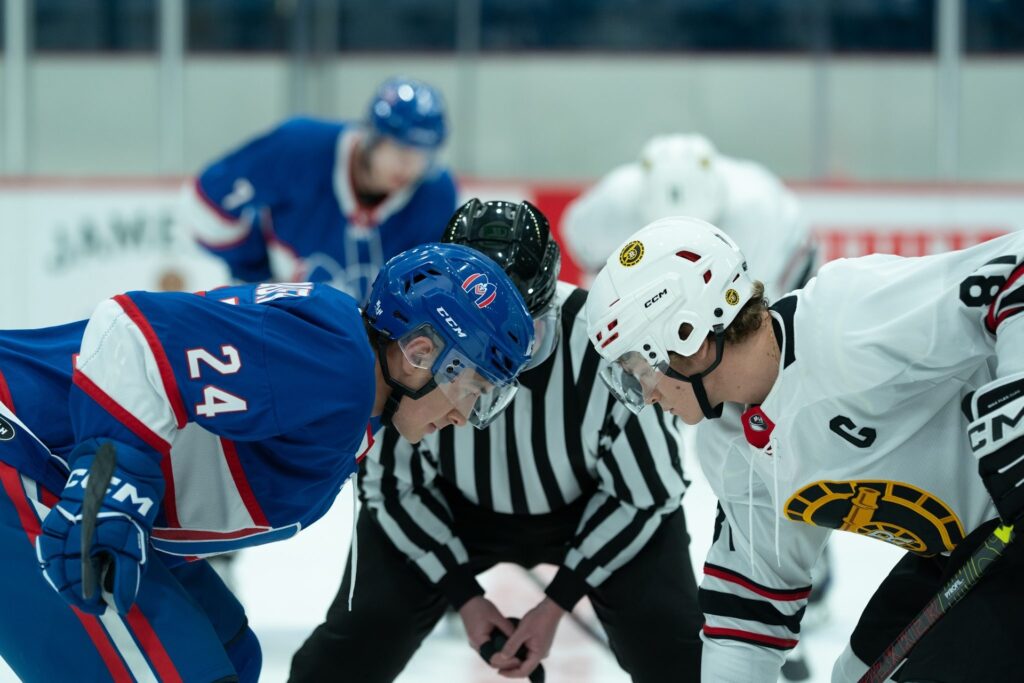
From episode one, a push-and-pull connection is present between the so-called rivals, hinting it could be something more. The two have in exchange in the gym which is filled with glaring eye contact. The scene culminates in them sharing a water bottle, having their hands linger longer with each exchange.
Their relationship grows stronger with each episode, filled with longing glances and secret meetups. However, navigating what they truly are to each other does not start until the end of the season.
The show does a great job of revealing a depth within the pair; they are both two people battling their issues. Shane is not just a “polite” and kind boy, but carries weight from representing his Asian-Canadian heritage on the ice. Ilya is also revealed to not be just an aggressive player, but also shows vulnerability when it comes the pressure of providing for his family.
Even within the more sexually-charged scenes, layers of masculinity are pulled back from the pressure-filled world the characters work in. These scenes create a focus on the tenderness and emotions that bring about an awareness of a consensual, vulnerable and connected relationship.
Another storyline that weaves within Shane and Ilya’s relationship is the story of Scott Hunter (François Arnaud) and Kip Grady (Robbie Graham-Kuntz).
Their hidden relationship is finally revealed at the end of episode five when Scott wins the MHL championship. Kip and Scott break boundaries by kissing on live television. This encourages Ilya to be comfortable enough to take a vacation with Shane.
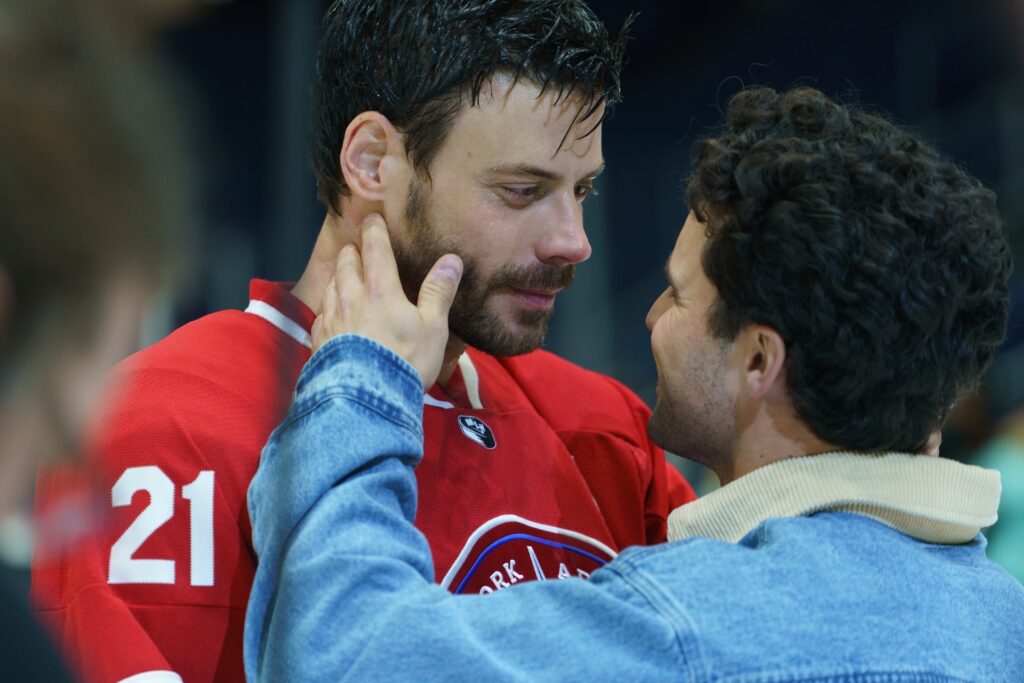
It is in the final episode that we see Ilya and Shane finally feel comfortable being their true selves. In the cottage, they open up to each other emotionally upon Shane’s request. It is here that Shane reveals he is not ready to come out to his parents, and Ilya shares his own family struggles.
Towards the end of their stay at the cottage, Shane’s father unexpectedly stops by and catches the two in an intimate moment. This leads to Shane to facing his fears in the most tender moment of the season. With Ilya by his side, Shane opens up to his parents, who welcome him with open arms. Here, Ilya puts a label on the relationship, assuring Shane’s parents that the relationship is serious. The season ends with Shane and Ilya driving back to the cottage as the sun sets, holding hands.
The representation within the series has not only hit fans close to home, but has also encouraged real-life athletes to come out.
In hockey, rigid ideas of masculinity shape culture and leave little room for queerness and vulnerability. The sport has long been associated with emotional restraint and an unspoken expectation of heterosexuality. The near-total absence of openly gay players at the professional level only reinforces this idea.
The show inspired a real-life hockey player, Jesse Kortuem, to come out on Facebook. He wrote that he played hockey until college, ultimately quitting because he didn’t feel comfortable in the sport’s environment.
“Heated rivalry helped me realize that visibility matters,” Kortuem told Good Morning America. “It finally allowed me to be that voice for so many that came before me to fight for hockey and inclusion in hockey.”
While some closeted professional athletes may not be as comfortable discussing coming out publicly, some have reached out to the cast and shared with them about the impact and importance of the show.
On Andy Cohen Live, Williams discussed how professional players have reached out to him and Connor, as well as Reid to tell their own stories.
“Sometimes they’re just reaching out privately, through things like Instagram,” Williams told Cohen on air. “And those ones, those are the ones that really just kind of hit you and go, ‘Oh so this is a fun show and it’s celebratory. But also, sometimes, it is just hitting people right in the nose.’”

is a contributor for The NewsHouse.

is a flex producer and digital editor for The NewsHouse.