
Push for wine, liquor in grocery stores raises concerns for Syracuse businesses
Push for wine, liquor in grocery stores raises concerns for Syracuse businesses
As New York retailers advocate to sell wine and liquor, local stores worry about losing business as customers gain convenience.
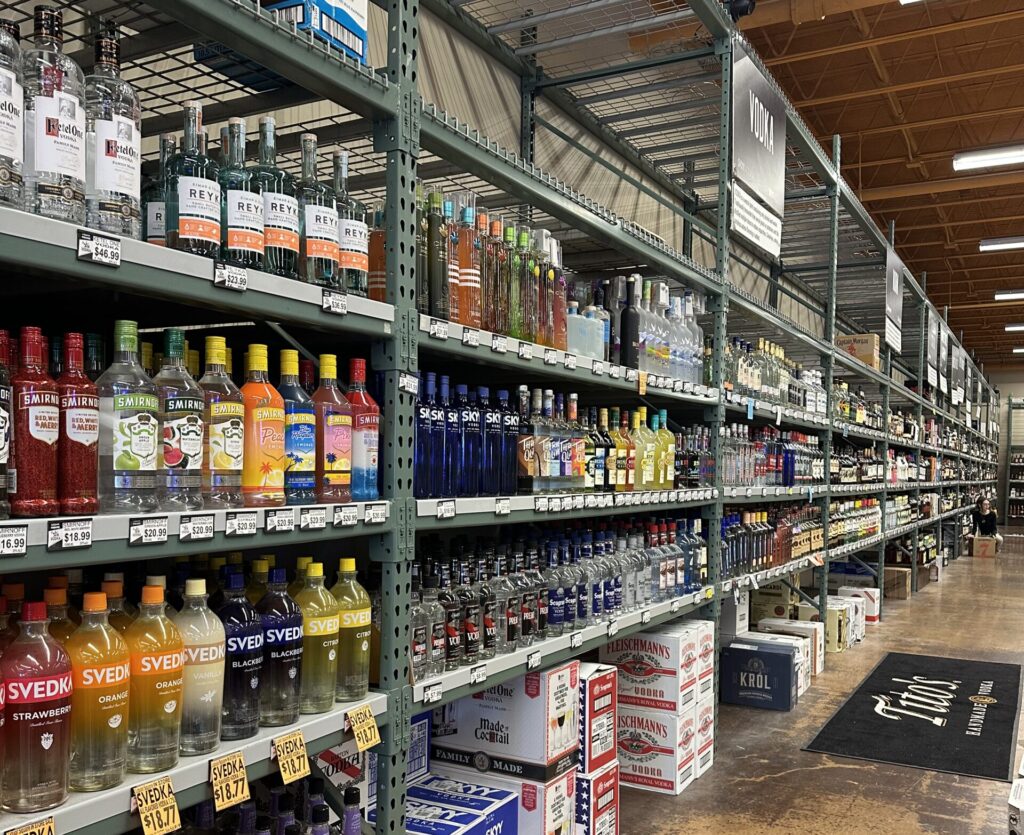
Bodegas and convenience stores in New York are joining major supermarket chains in a push to sell wine and liquor. A coalition of retailers—including Target and Wegmans—is urging lawmakers to change state law to allow the sales.
The group, called the Coalition to Expand Consumer Choice, argues that New York’s liquor laws, some dating to Prohibition, do not reflect the current alcohol industry. But some of the state’s independent liquor store owners oppose the proposed expansion, saying it could run them out of business.
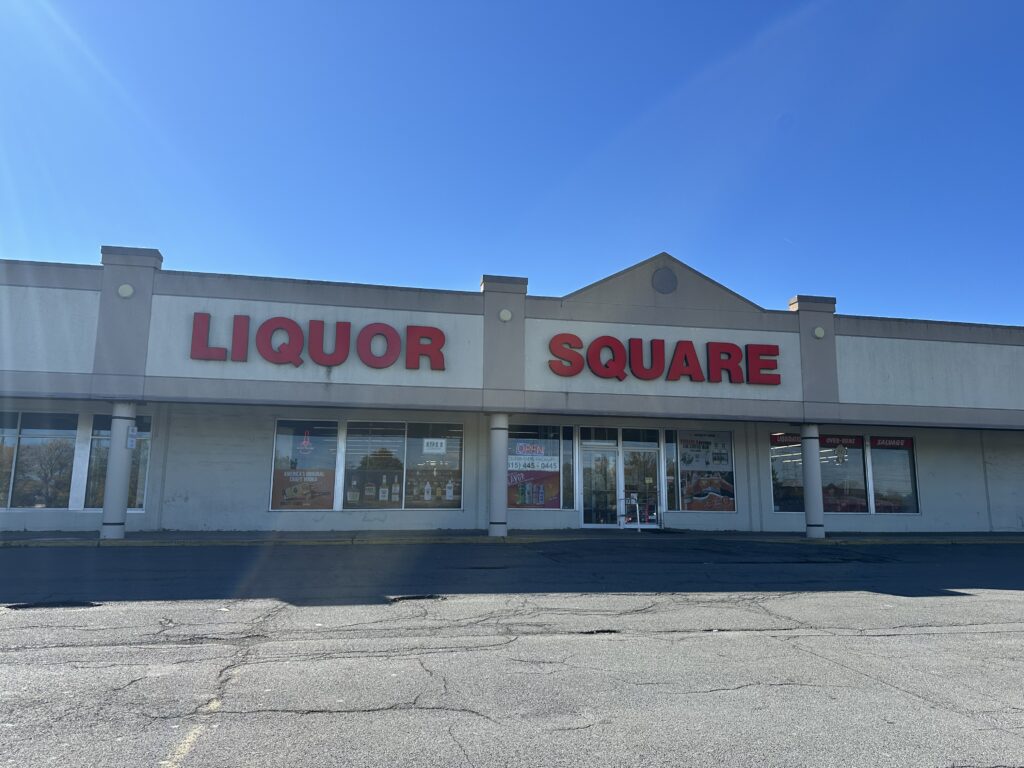
Scott Berlew, manager of Liquor Square in Syracuse, said the push comes as his store is already struggling with declining sales and fewer younger customers in the Syracuse area.
“We don’t have a customer base like we used to with people 30 and under,” Berlew said.
Berlew said the store’s wine sales are down 20% and warned that allowing convenience and grocery stores to sell wine and liquor could put the business’s future at risk.
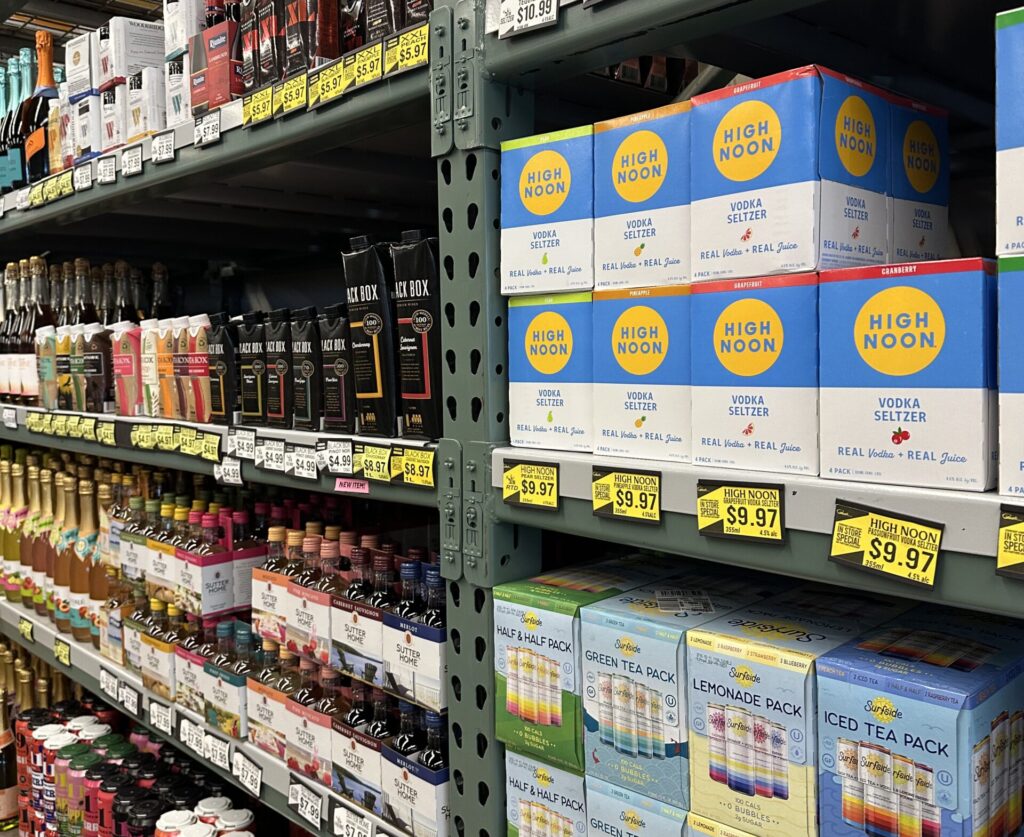
Berlew predicted that many liquor stores in the area would close if supermarkets were allowed to carry popular wine and liquor brands that draw customers. He also argued that retailers such as Wegmans and Tops would have an advantage in negotiating prices with distributors.
“Supermarkets then would be able to hold multiple licenses. And so the distributors will just give them better pricing,” he said.
Ready-to-drink cocktails and beverages marketed to health-conscious consumers are strong sellers for Liquor Square, Berlew said. If grocery and convenience stores were allowed to sell those products, he said, his store would lose another source of revenue.
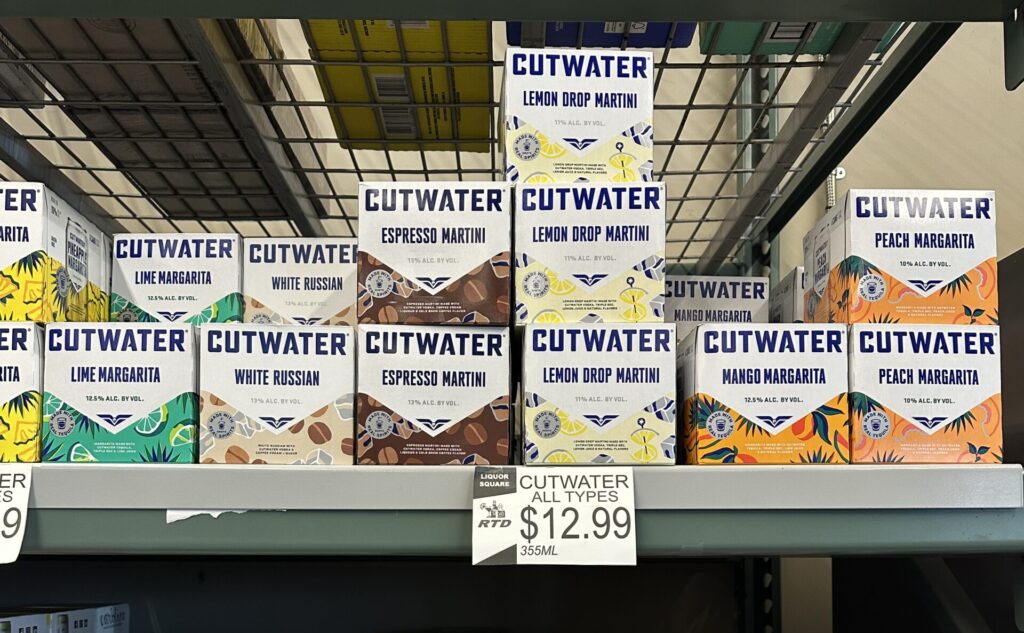
“Our markup on liquor is extremely low. Most people think if we make a ton of money, we don’t,” Berlew said. “Grocery stores will only carry some of the major brands… [but] it’s one of our biggest sellers. If we lose that, we lose all of it.”
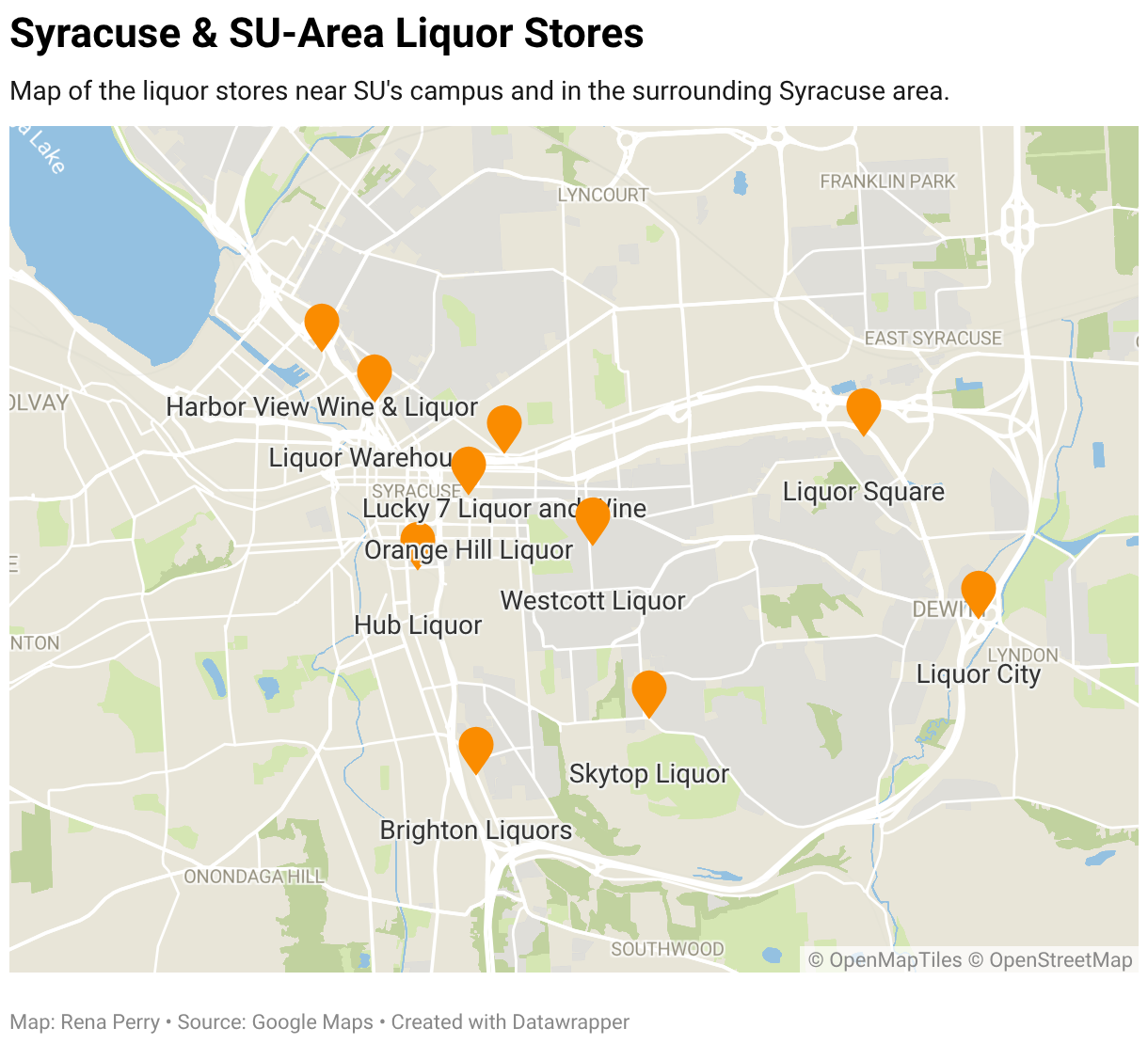
Berlew’s concerns extend beyond his own business. He fears the proposed expansion could threaten other local liquor stores, leaving customers with fewer places to shop.
For Syracuse University fourth year Sarina Dang, however, the proposed change would offer greater convenience. She said she tries to combine alcohol purchases and grocery shopping into one outing, though doing so requires separate stops.
“It would be so much easier to just get it done in one because like the process of going in, bringing bags for all of that, and then having to wait in another checkout line is a lot,” she said. “It would just be so much easier if it was all in one place.”
Dang said she doesn’t mind where she buys alcohol as long as she can find what she wants. Like many younger consumers, she prefers ready-to-drink cocktails and liquor. The proposed legislation would allow grocery stores to sell both, making it easier for her to get what she needs in one trip, she said.
“If I know I have the mixers and everything, like having that liquor and the Cutwaters [in the same place] would be a huge help,” she said.
For Berlew, the stakes go beyond where and how customers buy their drinks. With wine sales already declining and fewer younger customers coming through the doors, he worries competition from supermarkets could ultimately threaten Liquor Square’s survival.
“It could go under, to tell you the truth,” Berlew said. “The people who have been following the law for the past 70 years are going to be severely punished.”
The proposed bill remains in its early stages as supporters push to expand alcohol sales in New York. If lawmakers approve the change, shoppers could gain convenience while independent liquor stores face greater competition.

is a Digital Producer for The NewsHouse