
Game, Set, Sponsor
Game, Set, Sponsor
Syracuse University esports competitors navigate sponsorships and brand deals largely on their own, without the compliance staff, collectives or legal structures that traditional NCAA athletes rely on.
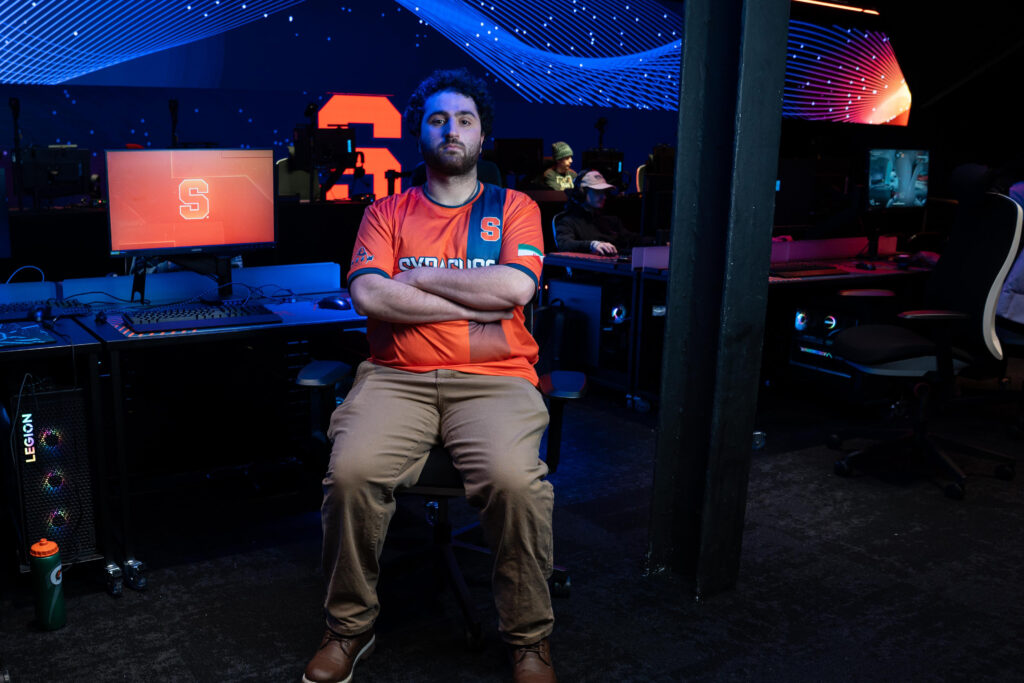
Before signing his first sponsorship deal, Counter-Strike player Kamron Manii scraped together the money to hire a lawyer. The contract offered travel support and a stipend, and on paper it looked legitimate. Still, he wasn’t about to sign blind. Without an athletic department behind him or a compliance officer to flag red lines, the responsibility was his alone.
“That was the only way I felt safe moving forward,” Manii said.
For Syracuse University football and basketball players, that kind of protection is built into the system. When traditional Division I athletes sign name, image and likeness (NIL) deals, they do so with the backing of the university’s Office of Athletic Compliance, a department that reviews contracts, monitors payment structures, ensures athletes follow NCAA regulations and protects them from eligibility violations. Many athletes also have access to booster collectives, organizations backed by donors that pool money and create structured NIL opportunities by connecting players with sponsors, negotiating deals and handling payments. For Syracuse’s esports athletes, that safety net does not exist.
“In esports, there’s nothing right now,” said Travis Yang, assistant director of esports at Syracuse. “Our students are selling themselves to companies without the same protections athletes in traditional sports have.”
The contrast is especially striking given that NIL itself remains uneven across college sports. National estimates suggest only a minority of NCAA athletes receive NIL compensation at all, with the vast majority of money flowing to football and men’s basketball players at major programs.
Still, the athletes who do land deals usually operate inside an established compliance infrastructure with access to advisors, attorneys and university oversight. Syracuse’s gamers operate almost entirely outside of that framework, navigating contracts, branding and sponsorship negotiations on their own.
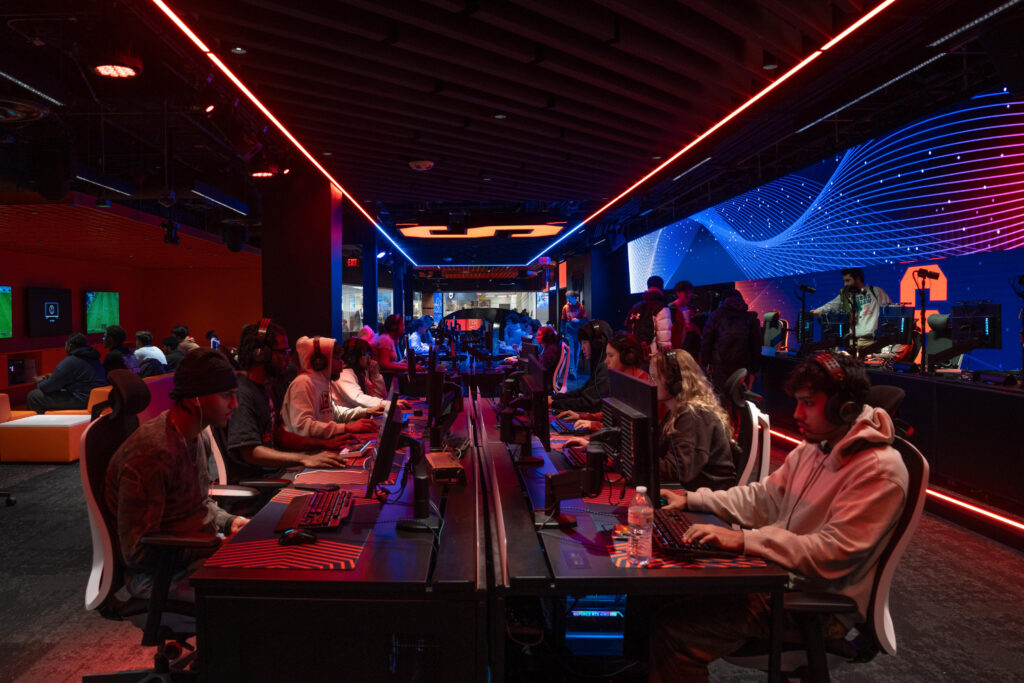
The lack of structure has turned Syracuse’s gaming lab into an informal incubator for young entrepreneurs. Players spend hours competing in titles like Counter-Strike and Call of Duty, but the work doesn’t end when the matches are over.
Off the screen, they pitch themselves to brands, negotiate partnership terms and manage personal social media platforms that double as marketing portfolios. All of it happens without institutional legal guidance, forcing students to learn business skills while still trying to perform at a high competitive level.
Braeden Cheverie-Leonard, a senior who has taken on a leadership role among his teammates, feels that responsibility acutely.
“We don’t have a collective or advisors,” Cheverie-Leonard said. “So I push for raising our value. If we don’t do it ourselves, nobody else is going to do it for us.”
Cheverie-Leonard regularly encourages teammates to think about how they present themselves online, how often they post and what kinds of audiences they attract.
That responsibility extends down to the smallest details. Cheverie-Leonard has asked teammates to remove soda labels before taking team photos so companies don’t get free advertising. He’s had conversations about language used on streams, the appearance of gaming setups and even how players respond to comments online.
“You’re not just a gamer,” Cheverie-Leonard said. “You’re a brand. Everything you do is part of that.”
The team’s deals reflect that grassroots, self-built reality. Syracuse esports has signed partnerships with companies like Gatorade and Scuf Gaming, which supplies controllers for the team. The program is also in talks with Monster Energy. Most agreements are not cash-based, but the material value still matters.
“A controller is $300 we don’t have to spend,” Cheverie-Leonard said.
For a program without the budgets of Division I athletics, those savings add up quickly and can mean the difference between competing with older equipment or staying current with industry standards.
Manii understands both the upside and the risk of that system. He has competed in Counter-Strike for nearly a decade and has signed with multiple organizations, including Limitless and Akimbo. Those agreements brought small stipends and travel support, giving him opportunities to compete that he otherwise might not have had. The money wasn’t life-changing.
“It was extra money for weekends out,” Manii said, but the experience taught him that success in esports depends on more than in-game performance.
“You can’t just be good,” Manii said. “Focus on your brand image. There are a bunch of people playing, but you need to be doing extra stuff.”
That includes streaming consistently, engaging with fans on social media and making yourself attractive to sponsors who care as much about audience reach as competitive results.
Legal experts echo that warning. According to GAMMA Law, esports NIL agreements should clearly define intellectual property rights, compensation terms, content usage and dispute resolution. Without that language, student-athletes risk signing away control of their likeness for little in return. Unlike traditional athletes who often have contracts reviewed by compliance staff and attorneys, esports players may not recognize restrictive clauses or long-term obligations until it’s too late.
Yang believes that gaps in protection are dangerous.
“Tools and governance are critical for the safety of student athletes,” Yang said. “These players are talented, but they’re also young, and they’re navigating a business space that even professionals struggle to understand.”
Some universities are beginning to test formal structures. Boise State recently placed its esports program under athletics, a move that drew national attention across collegiate gaming and sparked conversations about whether esports should be treated more like traditional sports. MarketPryce, a platform that connects athletes and brands, has partnered with the Electronic Gaming Federation in an effort to create standardized NIL opportunities for college gamers. Those developments signal progress, but for now they remain exceptions rather than the rule.
For most collegiate esports players, the balance between competition and business remains fragile.
“Careers end early … some at 21 or 22,” Cheverie-Leonard said. “You need a backup plan.”
Traditional athletes can peak well into their late 30s, but esports players often peak before they graduate. That compresses competition, branding, sponsorships and career planning into just a few years and raises the stakes on every opportunity.
At Syracuse, that urgency is felt in every match, every stream and every message from a potential sponsor. Players must constantly evaluate which opportunities are worth the risk, which deals add real value and which could limit their future options. Unlike their peers in traditional sports, there is no compliance office waiting to step in if something goes wrong.
One recent deal made that reality tangible. A controller company sent Syracuse players prototype equipment in exchange for social media posts and in-game use. The value wasn’t listed in dollars, but Cheverie-Leonard understood exactly what it meant as he watched teammates unbox gear they could not have afforded on their own. No compliance officer reviewed the agreement. No collective facilitated the partnership. There was no athletic department lawyer scanning the fine print.
It was just a direct message, a contract and a decision they had to make themselves.

is a contributor for The NewsHouse.

is a photographer for The NewsHouse.