
A Father’s Love
A Father’s Love
Adaptive sled hockey offers a young player freedom, confidence and opportunities beyond the ice rink.
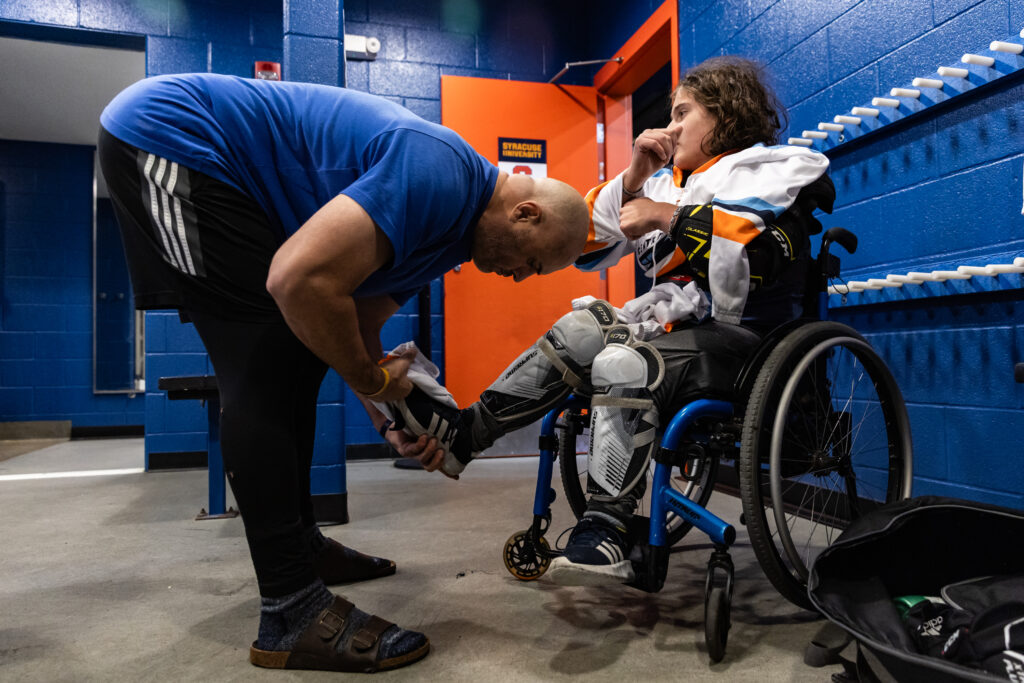
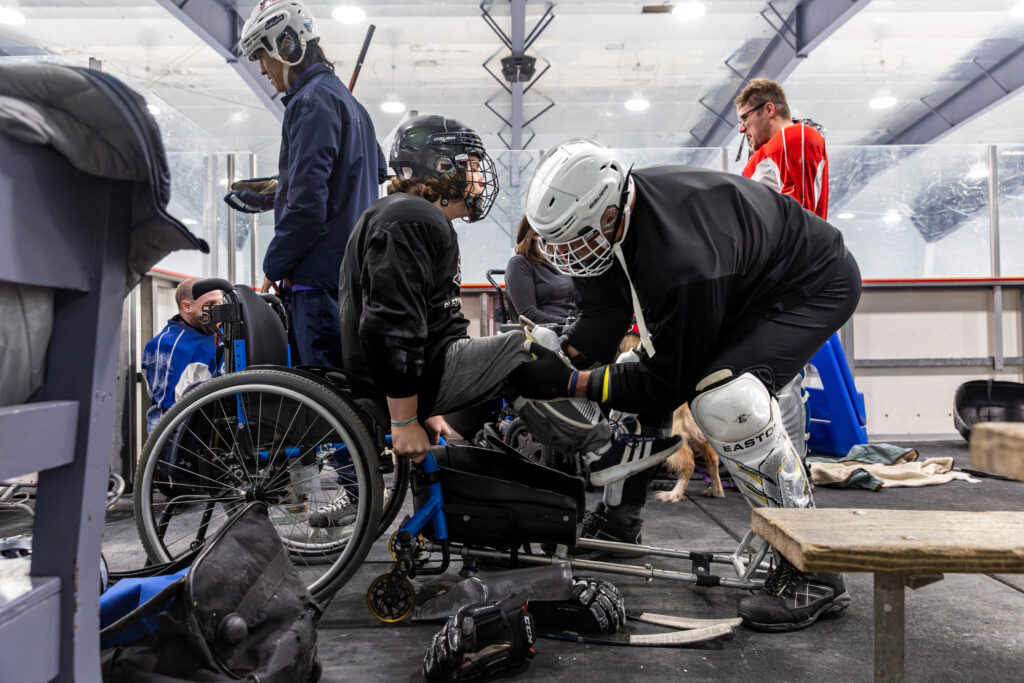
On a cold afternoon at Syracuse University’s Tennity Ice Pavilion, the scrape of steel against ice echoes as sleds glide across the rink. Fifteen-year-old Myles Favata and his father, Jamie, suit up before taking the ice, a routine they’ve completed countless times.
For Jamie, moments like this define fatherhood: showing up, paying attention, and making sure opportunities exist.
Myles was born with spina bifida, a condition in which the spine does not properly close during fetal development. He was born with partial paralysis and hydrocephalus, conditions that affect his mobility and daily life.
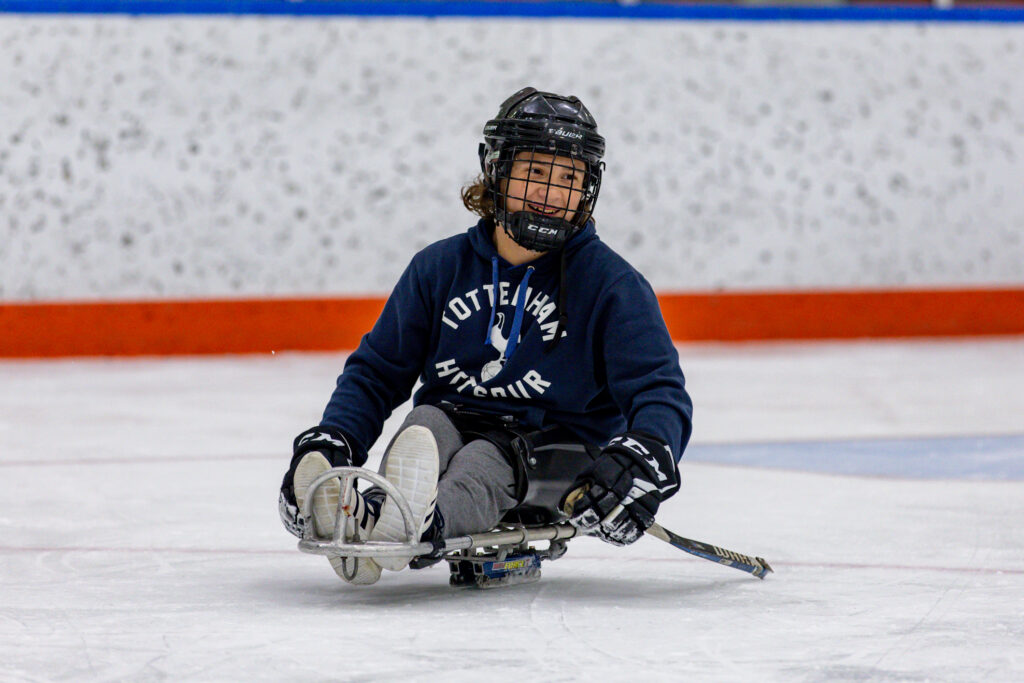
But on the ice, he moves with confidence, navigating the rink in a specially designed sled that allows him to play the sport he loves.
Hockey first captured Myles’ attention at age three, catching games on TV with his dad. Five years later during the 2018 Paralympics in PyeongChang, South Korea, Myles decided he wanted to play, not just watch it on TV.
Jamie made it happen by connecting with CNY Adaptive Sports, a Syracuse-based nonprofit that provides athletic programs for individuals with disabilities. Their sled hockey team, the CNY Flyers, welcomed the Favatas; not just as teammates, but as part of a community that allowed Myles to compete, grow and belong.
“Even though I may be playing a different sport, I’m still playing sports,” Myles said. “I found a sport that I love to play, and I can play. There’s nothing better than that.”
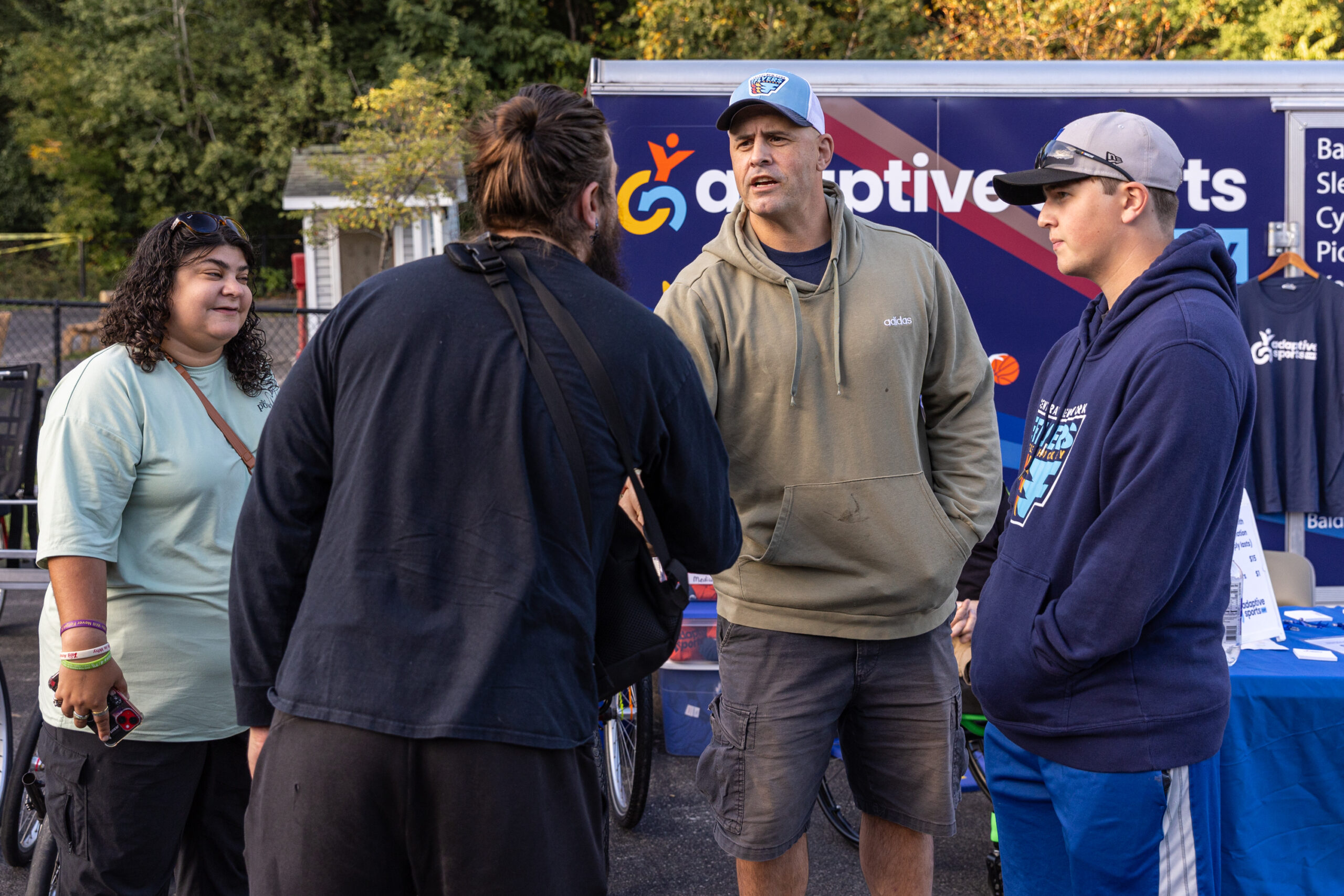
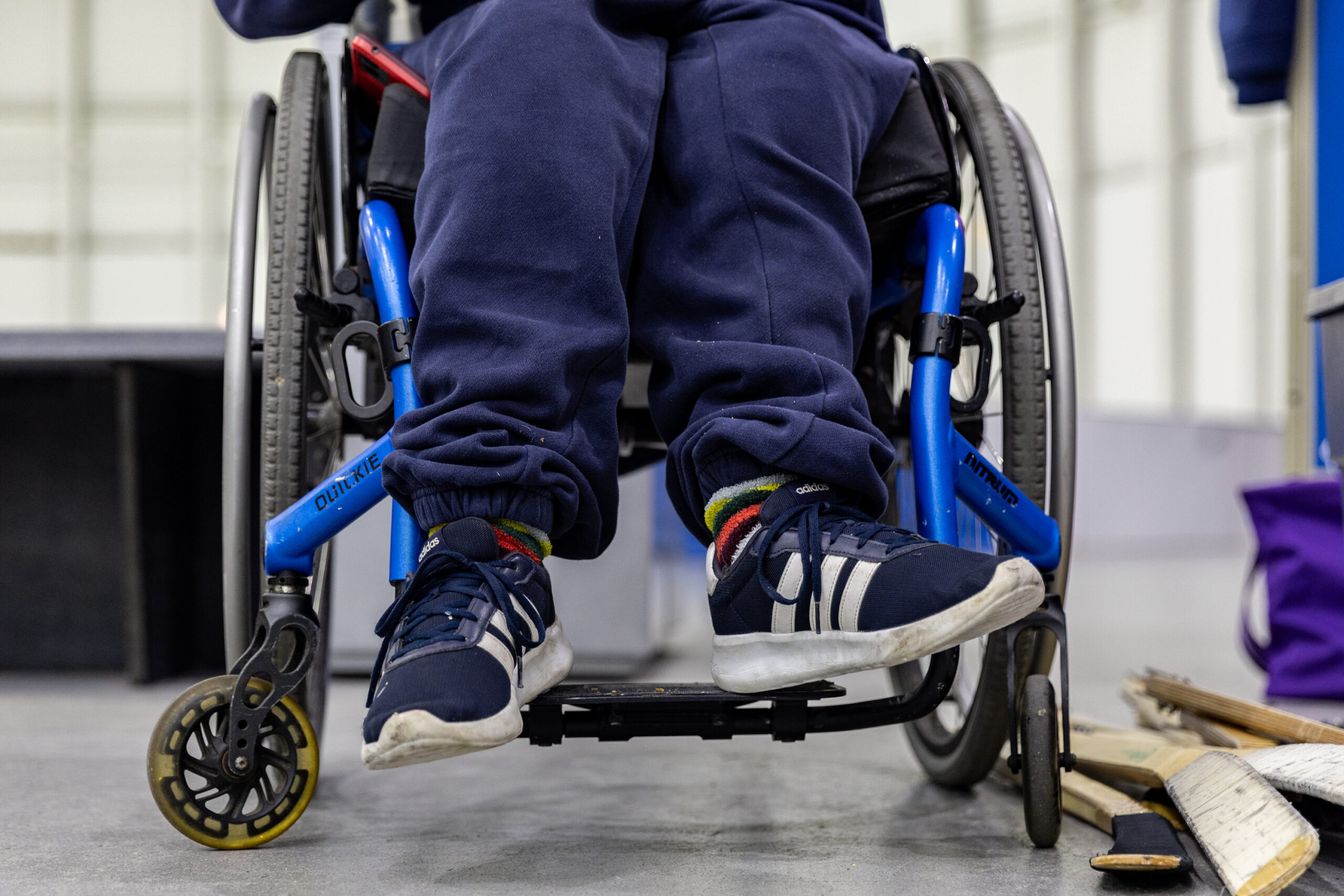
Supporting Myles meant more than cheering from the sidelines. Jamie became involved at every level, joining the Flyers’ team and serving as treasurer for the CNY Adaptive Sports board. His advocacy extends beyond his own son, helping ensure that adaptive sports programs remain accessible, sustainable and supportive for other children facing similar challenges.
“Giving back is an important thing,” Jamie said. “The most valuable resource in this world is time. It’s not money.
“You never get time back, so if you give your time, it’s a stronger statement of giving.”
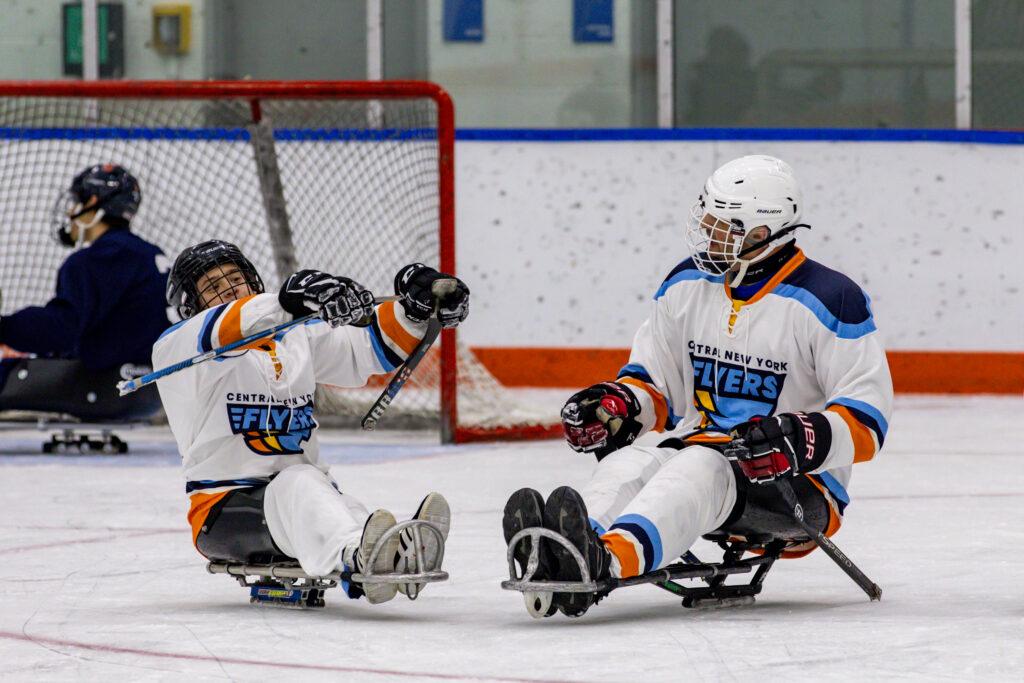
Their relationship has evolved from father and son to best friends, strengthened by playing on the same team. Whether traveling for games or teaming up on the ice, hockey is their shared sanctuary. As Myles has grown and thrived, it is clear that Jamie’s guidance and support have been instrumental in shaping his confidence and independence.
“The world is a cruel place for anybody,” Jamie said. “If you allow it to, it will chew you up and spit you out.”
When Myles has faced challenges, Jamie reminds his son that he can blame others or acknowledge the issue and figure out how to resolve it.
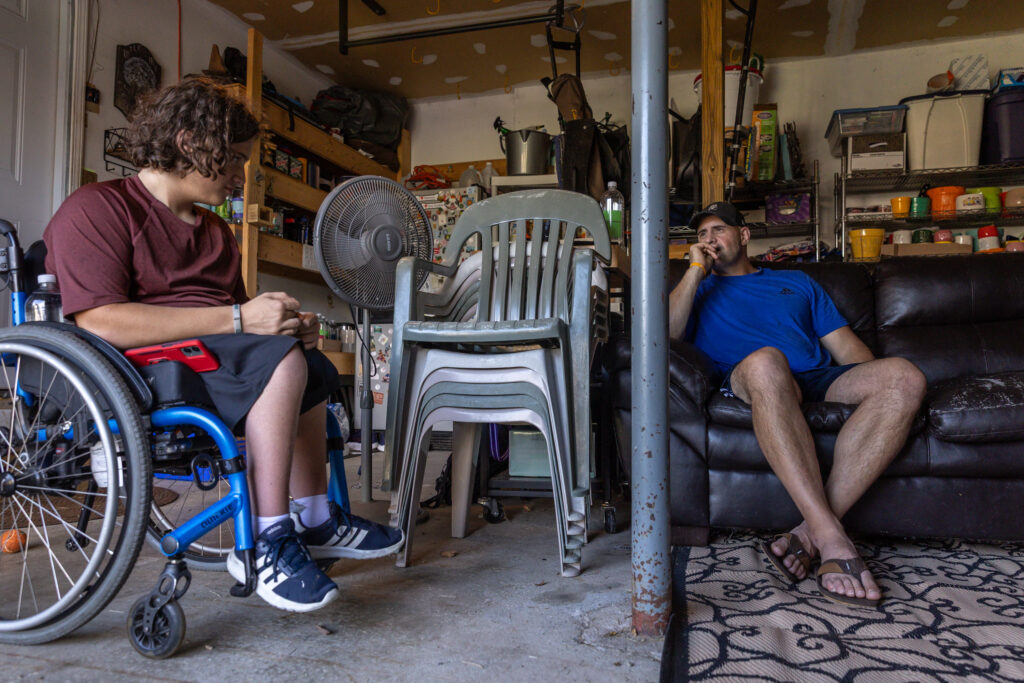
“We’ve basically always made him fix it,” Jamie said.
Jamie’s advocacy goes beyond the rink. When Myles was younger, Jamie challenged corporate policies to secure bladder management services at daycares – a fight that led to a court-based template still used by other families today.
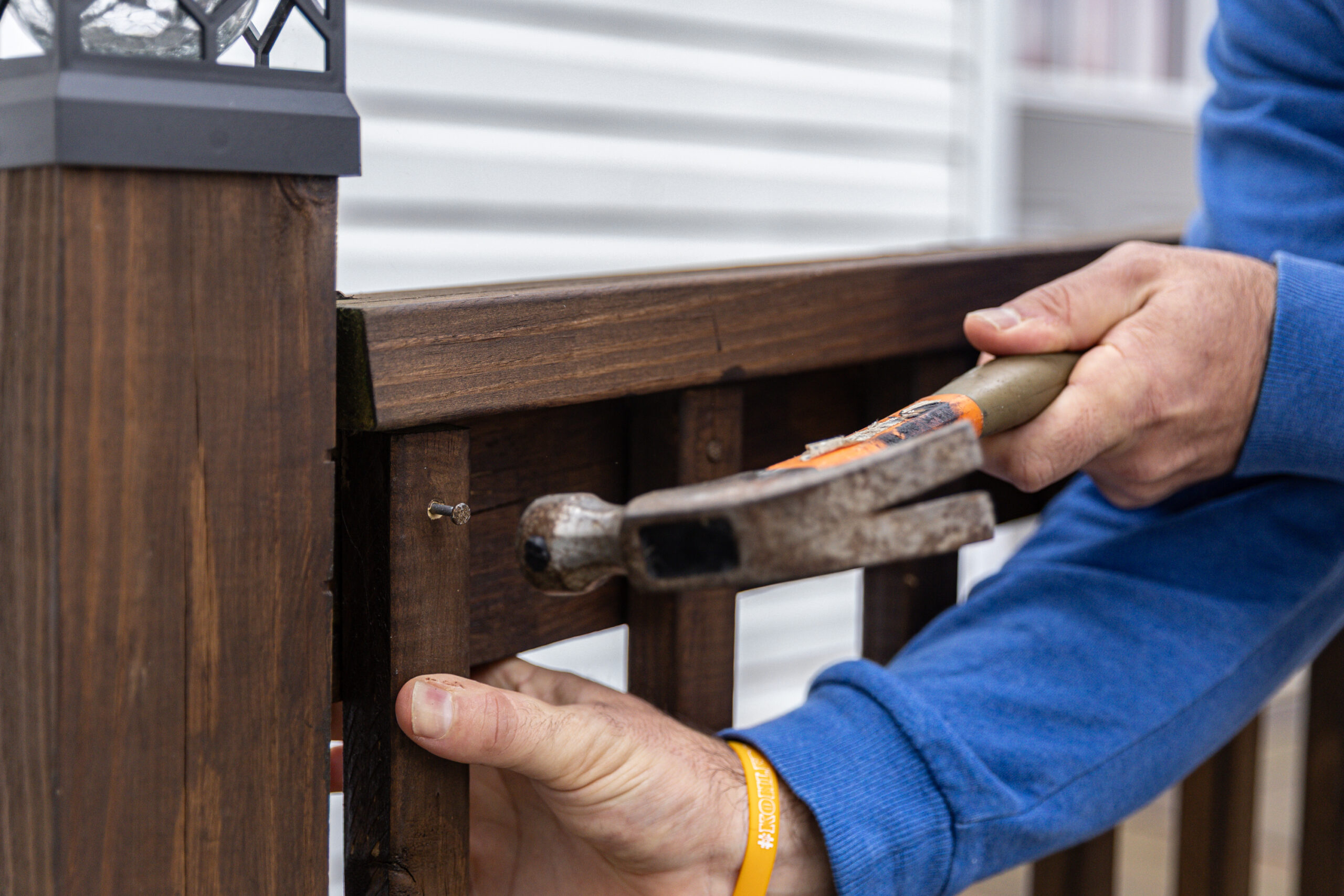
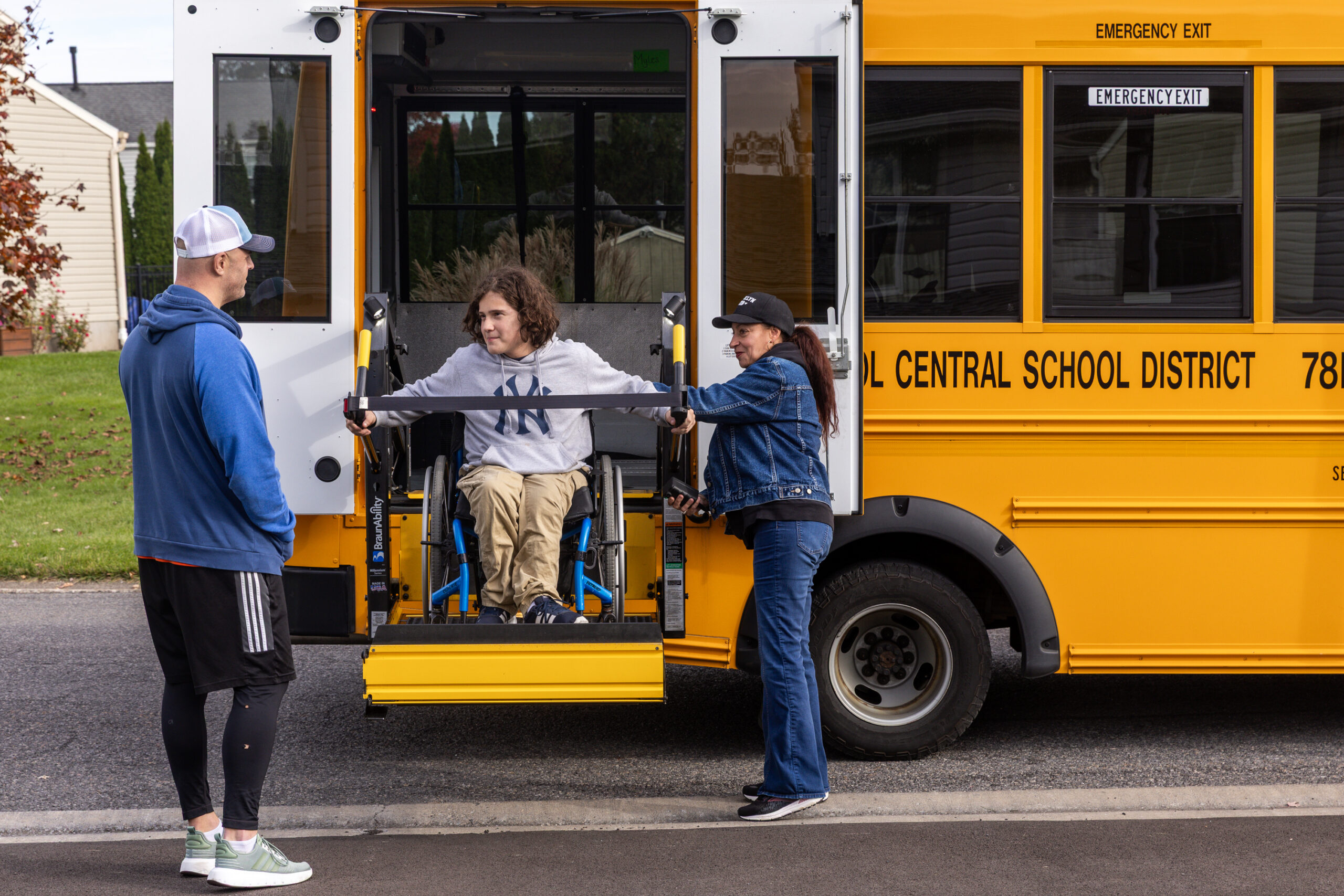
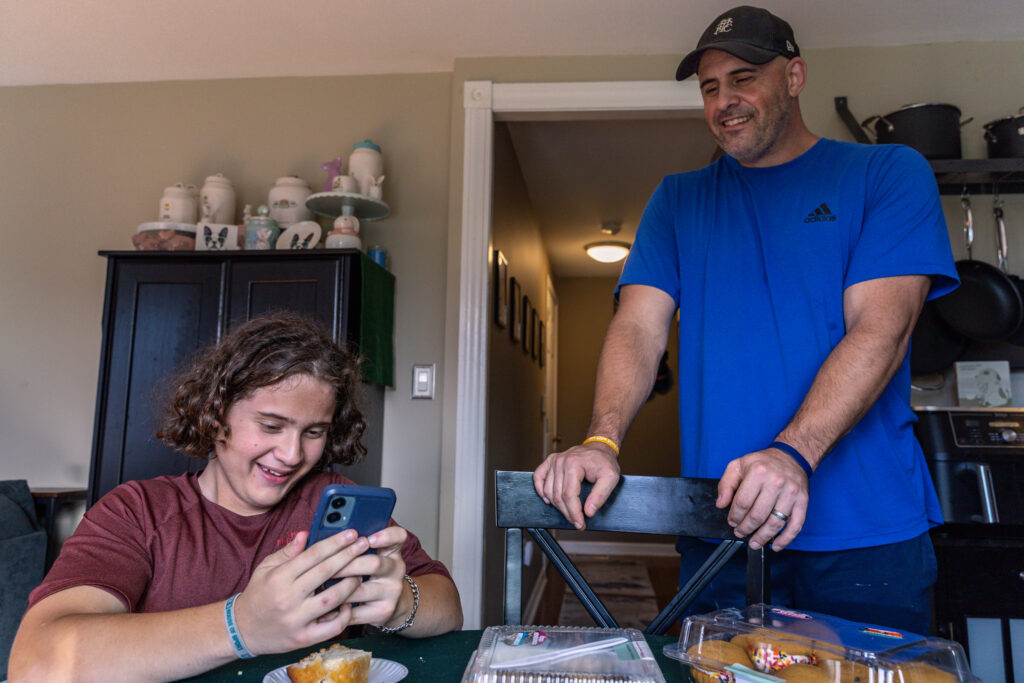
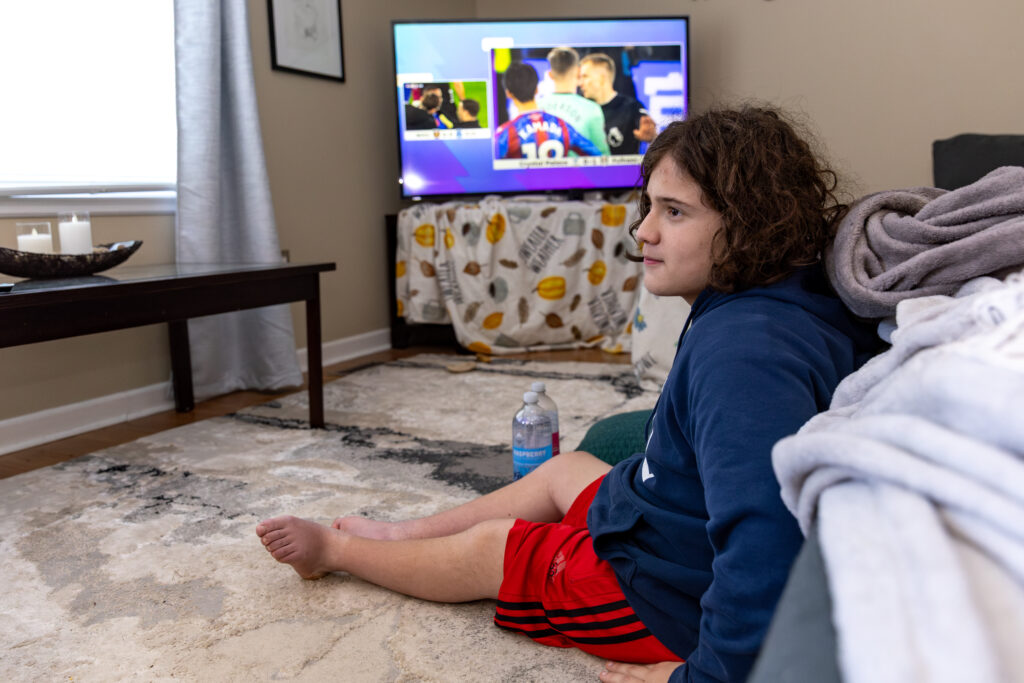
At home, accessibility remains a daily priority. Jamie built a ramp connecting Myles’ bedroom to the backyard patio to improve mobility. Even now, visiting other people’s homes or navigating public spaces often requires careful planning.
“Navigating going to other people’s houses is a very subtle thing that nobody thinks about,” Jamie said. “But how are you going to get him into the house? Not everyone has a ramp.”
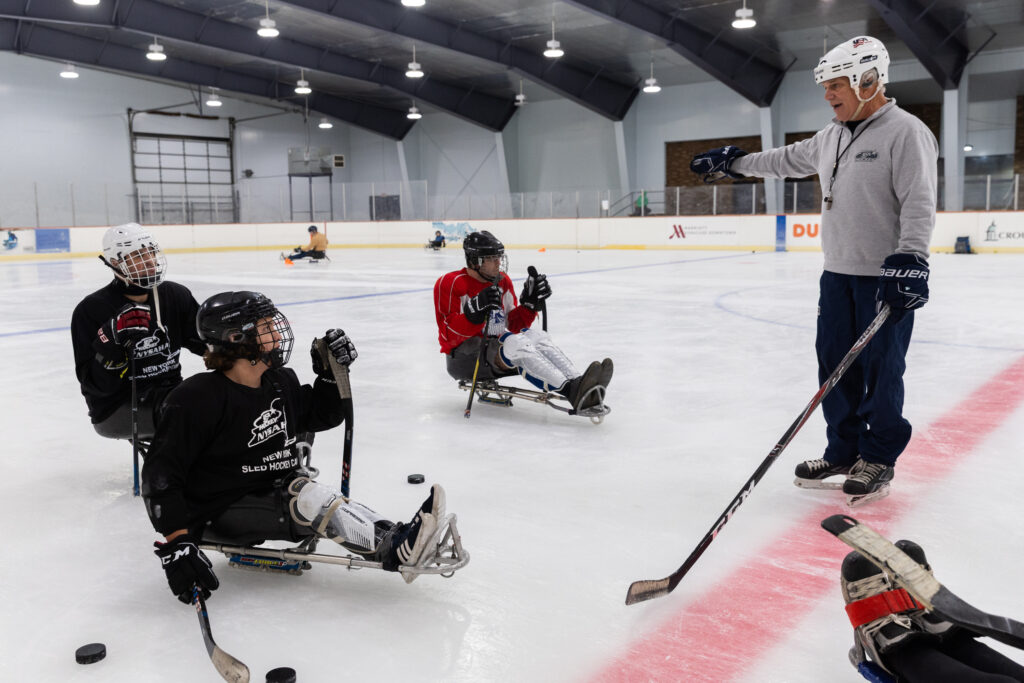
In Myles’ bedroom, hockey pucks line the walls, including the puck from his first-ever goal with the Flyers. His love of hockey extends to Liverpool high school where he is the hockey team manager, connecting with another group of teammates and experiencing another level of competition.
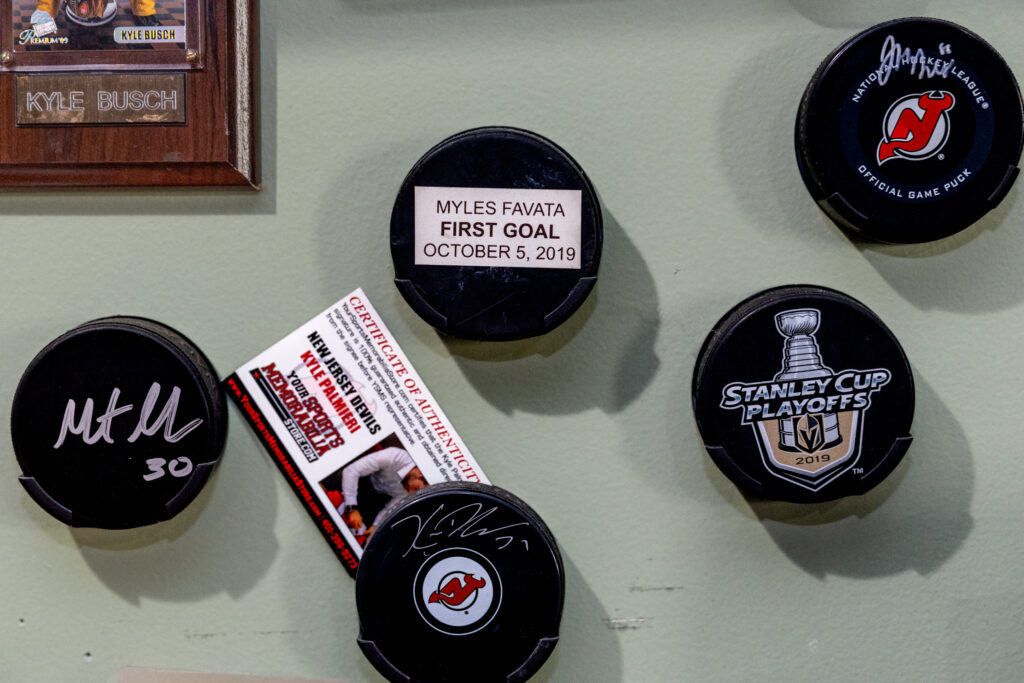
Adaptive sports programs have expanded in recent years, giving more people the chance to participate in physical activity, improve mental health, build skills and connect with others facing similar challenges.
Under the direction of head coach Chuck Gridley, the CNY Flyers practice regularly to develop the players’ skills as well as to build teamwork and confidence in an environment tailored for adaptive athletes.
“It changes lives,” Jamie said. “It gives people the same opportunity to share in those moments that teach you how to succeed and how to overcome.”

is a photographer for The NewsHouse.