
Syracuse educators look beyond vacancies to address national teacher shortage
Teacher Shortage: How Schools are Responding
As schools prepare for the academic year, Central New York districts are working to address teacher shortages.
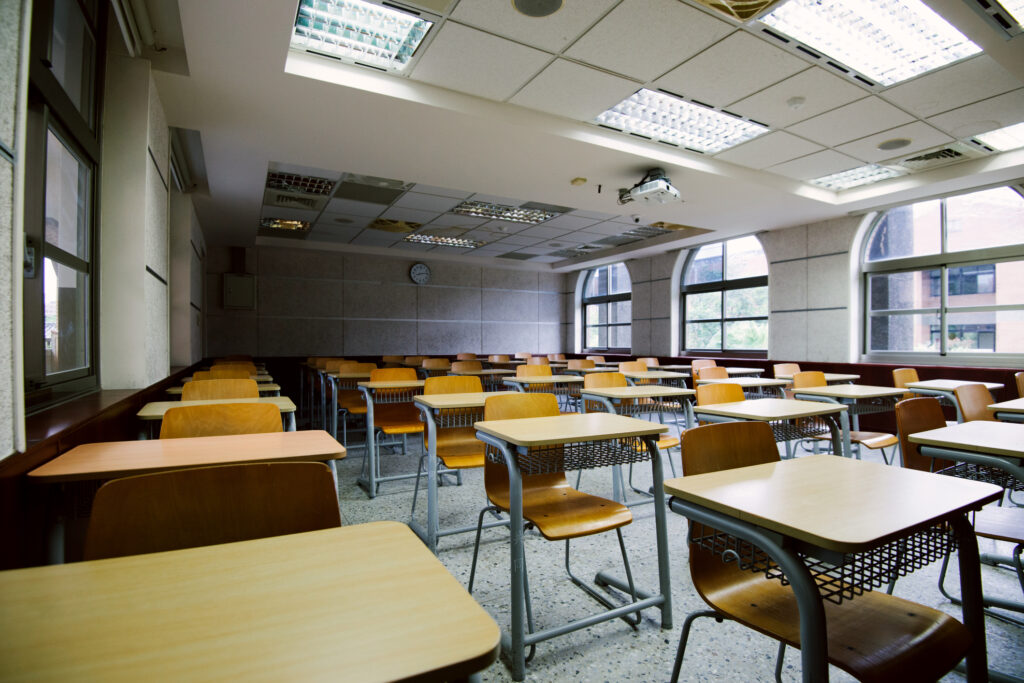
As another school year approaches, teachers are preparing classrooms, reviewing lesson plans and getting ready to welcome students. Behind those familiar back-to-school routines, school leaders are working to solve another challenge before students arrive: finding enough teachers to fill classrooms.
According to the National Center for Education Statistics, many public schools have reported ongoing difficulty filling teaching positions since the COVID-19 pandemic, particularly in high-need subject areas.
The Syracuse City School District is one of many working to address a nationwide teacher shortage. Earlier this year, the district reported employing more than 300 teachers who were not fully certified. Under New York law, public school teachers are generally required to hold a state teaching certificate. Districts typically hire teachers without full certification only when qualified certified candidates are unavailable. According to the Learning Policy Institute, the number of teachers who are not fully certified is a key indicator of these shortages.
Local educators say the long-term solution is about more than hiring enough teachers for the school year. They believe finding passionate educators and creating opportunities for their growth is just as important.
Dr. Donna DeSiato, superintendent of the East Syracuse-Minoa Central School District, has led the district for 21 years after previously serving as a teacher, principal and assistant superintendent. “[Conversations] about low pay and demanding work environments continue to discourage some people from entering the profession,” DeSiato said. “Still we are finding new ways to support future educators. We’re filling the gap and getting teachers certified.”
Districts are expanding partnerships with colleges and creating more opportunities for teachers to earn certification while working, she said. Syracuse City School District, for example, offers teacher residency and fellowship programs that provide paid classroom experience, stipends and, in some cases, fully funded master’s degrees in exchange for a commitment to teach in the district.
Leeza Roper, an English teacher in Syracuse City School District, said those opportunities helped shape her own career. Roper first discovered a passion for teaching while helping others communicate with her Deaf parents. After earning her bachelor’s degree, she joined the district through a teacher residency program that recruits and retains teachers of color. The program covered the cost of her master’s degree in education at Syracuse University in exchange for a five-year commitment to teach in the district.
Beginning her career through the residency program gave Roper confidence and reminded her why she chose teaching in the first place.
“It’s always gonna be the kids,” she said. “Everything else is just background noise.”
Audrey Gratien, a first-year teacher from Syracuse, said she understands why some people hesitate to enter the profession. Unpaid student teaching, classroom expenses and difficult working conditions can discourage future educators before they ever lead their own classrooms.
“I went into education to make a difference, not to pick the easiest path,” she said.
She believes successful teachers are defined less by credentials than by their commitment to students.
For students, a new school year means new teachers, new classmates and new opportunities to learn. Every effort to recruit and support teachers is ultimately an investment in the students they serve. Local educators said that’s exactly where the focus should remain.
“You have to love the kids,” Gratien said.

is a contributor to The NewsHouse.