
‘Michael’ delivers a nostalgic but surface level experience
‘Michael’ delivers a nostalgic but surface level experience
Review: Jaafar Jackson’s performance is a stellar debut to the screen, but the film feels more like a ‘greatest hits’ recap than a deep dive into the person beyond the stage.
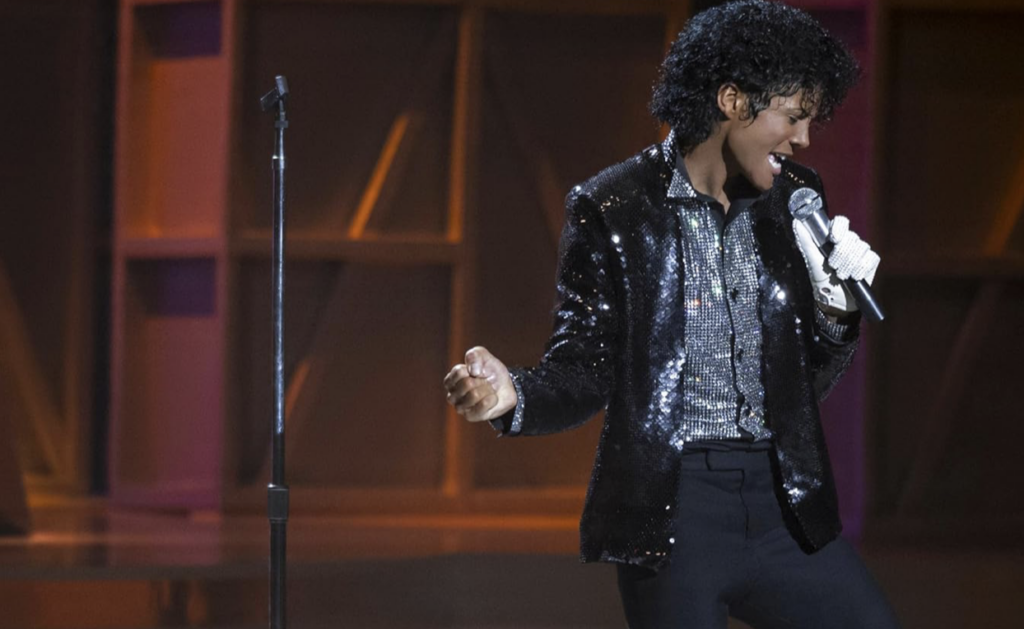
After years of production delays, Antoine Fuqua’s biopic of Michael Jackson delivers a visually captivating but surface level portrayal of the King of Pop. While the film does a great job giving scale and life to his on-stage performances, the choice to omit and reshoot all scenes related to the star’s controversy leaves the final third of the movie feeling flat.
Spanning two decades, “Michael” follows a familiar storyline, focusing on the emergence of the young prodigy, his struggles with abusive family dynamics and the eventual escape into stardom. The screenplay by John Logan meets expectations, emphasizing key points in Jackson’s life. This includes the Motown discovery of The Jackson 5 to the iconic recording of “Thriller.” Paired with the fast pacing, viewers get a glimpse into many moments of Jackson’s life, but no deeper understanding of the man underneath.
The true star was Jaafar Jackson, the nephew of Michael himself, whose dynamic performance brings life and vibrance to the screen. While he did not sing himself, Jaafar captures Michael’s subtleties. This includes his whispered-soft voice, the explosive stage presence and the steeled artistic resolve. His physical commitment to the role (including the iconic moonwalk) does true justice to Michael’s performances.
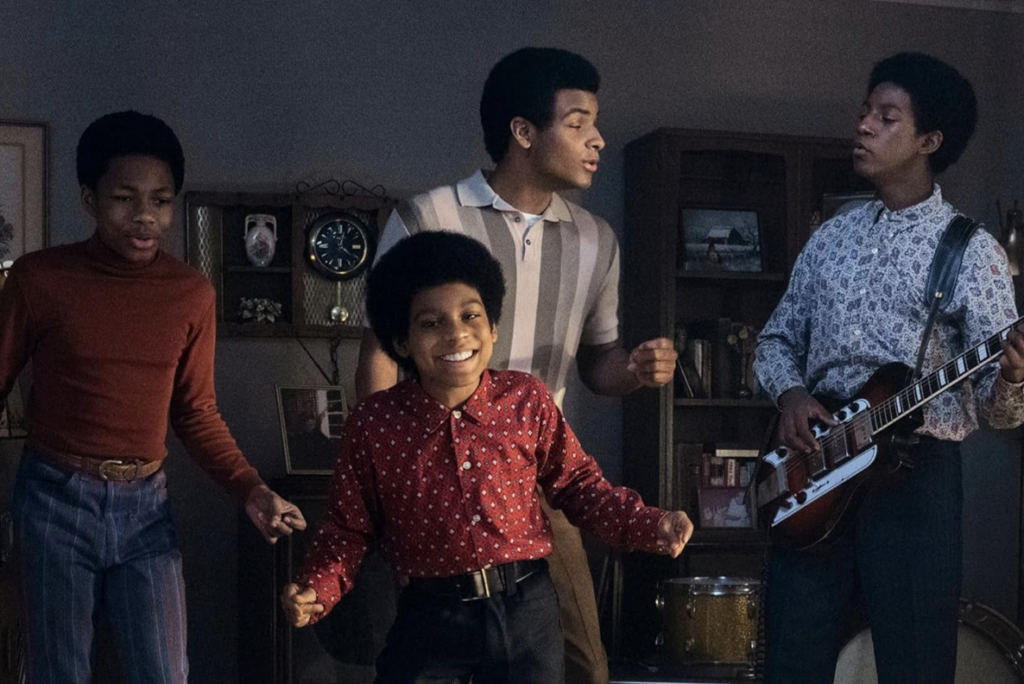
Colman Domingo’s rendition of Joe Jackson gave the film its only real drama and tension. He depicts the unsettling reality of a man who truly believes that brutality is necessary to achieve greatness. Opposite him, Nia Long plays the quiet and dignified Katherine Jackson. She is a character with potential, but the film limits her to watching from doorways, giving her no real moments. Miles Teller delivered as entertainment lawyer John Branca and Mike Myers had one of the strongest moments as CBS Records’ Walter Yetnikoff when he is confronted over MTV’s refusal to air Jackson’s videos.
The strongest part of the movie, after Jaafar’s performance, was the musical sequences. Cinematographer Dion Beebe brought vibrance and color to the concert scenes, letting fans relive the best moments of Jackson’s live music.
The narrative elements, however, only really fill the time between the musical numbers. Fans who want to relive the music will find the film satisfying, but the movie does not address any of the darker complications of Jackson’s life.
The most discussed topic leading up to the film was whether it would address the allegations of child sex abuse. According to Variety, early versions of the script had the entire third act focus on the raid on Neverland Ranch. However, this was cut due to legal conflicts with one of the accusers’ ongoing suits, which stipulated that any portrayal of the defendant was not allowed in a film. Because of this, the film spent $15 million reshooting the entire final sequence of the movie. This change ultimately removed the events that many were expecting to be addressed.
While critics have a harsh appraisal of the film, with it scoring only 38% on Rotten Tomatoes, audiences have rallied behind the film. The opening weekend raked in $97 million domestically and over $200 million worldwide, breaking box office records for a music biopic.
Overall, “Michael” delivered in musical production and nostalgia value, but it lacked in showcasing the deeper, darker aspects of Jackson’s life.

is a digital producer for The NewsHouse.