
Navigating college burnout: When the semester catches up to students
Navigating college burnout: When the semester catches up to students
As classes pile up and the days grow shorter, students reflect on how burnout affects their motivation and mood and what it takes to recover.
College is often described as “the best years of your life,” but for many students, those years come with an invisible weight. Between exams, projects and packed schedules, the days can start to blur together with exhaustion and make that weight feel even heavier.
For sophomore Maya Stone, burnout is more than just a buzzword. It has become a reality she’s had to learn to navigate, one late night and early morning at a time. She has her own definition for the word.
“It’s when you’re spread too thin and constantly working and just don’t have time to sit back and relax and have time for yourself,” Stone said. “It can really set you off when trying to get assignments in and having tests that you have to study for, but don’t have time to.”
Stone said it’s easy for her to get burnt out now because of how involved she is on campus. Stone, a broadcast and digital journalism major, is an active participant in CitrusTV and WAER news. These commitments take up 15 hours a week on their own, she estimated.
Outside of extracurricular activities related to her major, Stone is also in a sorority and the Orange Pulse dance troupe. She says it’s fun to be able to take a break, but the time commitments still contribute to the burnout she feels, especially around midterm season.
“Midterms is just so tough because it’s where all the assignments pile on,” Stone said. “Suddenly all professors forget that you have work for other classes too. It all builds up.”
The burnout many college students experience is worsened by midterm season coinciding with daylight savings time.
“It doesn’t help that when I wake up in the morning now, it’s still dark out,” Stone said. “I definitely felt my moods change a lot when it started getting colder. I think the seasonal depression and burnout really do line up with each other.”
Adrianna Sirena is a junior studio arts major in the College of Visual and Performing Arts. Her midterms are a little different than what other students on campus experience.
“For me that looks like working in the studio for like 12 hours a day, every day, and then I can’t do it anymore,” Sirena said.
She experienced this feeling just last week when her midterm projects were due. Sirena agreed with Stone that midterm season is the hardest time for college students.
“It’s the middle of the semester so you’ve been here the longest amount of time,” Sirena said. “Then you’re studying and working really hard so it’s easy to get burnt out.”

Outside of classes, Sirena is involved in the SU Art Coalition and is a leader in the SU marching band. She said balancing her extracurriculars is more challenging at some points than others.
“Sometimes it makes me feel better because it’s something separate from my major, but other times it’s just another added thing that I have to do,” Sirena said. “So it does contribute to burnout.”
Burnout for college seniors can take on another name: senioritis. It’s the feeling that a lot of students get in their last year of school when nearing the end of their academic career. Senior Jakobi Oliver said this is a feeling he’s gotten to know pretty well.
“I realized the finish line is not too far in the distance,” Oliver said. “It’s still hard to keep going and going and be motivated about the work that you do.
Oliver, a theater management major, said that he’s mainly focused on his projects and completing academic elective classes outside of his chosen area of study.
“Because they don’t correlate with my major, I just don’t feel an urge or feel motivated enough to do it,” Oliver said. “I’ve been trying my best but the burnout has definitely been real.”
He is currently busy producing shows and events with the Dramatic Arts Coalition, where he holds a position as the fiscal agent, and with an internship with a TV show, where he is focused on the casting process.
“That takes a lot of hours out of my own day,” Oliver said. “It’s kind of stressful because it’s like, how can I take care of these things if I can’t even take care of myself?”
Burnout in his life manifests as a lack of taking care of himself, even in simple tasks like doing his laundry or eating a full meal.
“It’s ignoring my responsibilities to myself and trying to maintain the bare minimum,” Oliver said. “Sometimes barely even reaching the bare minimum and just trying to survive in some ways.”
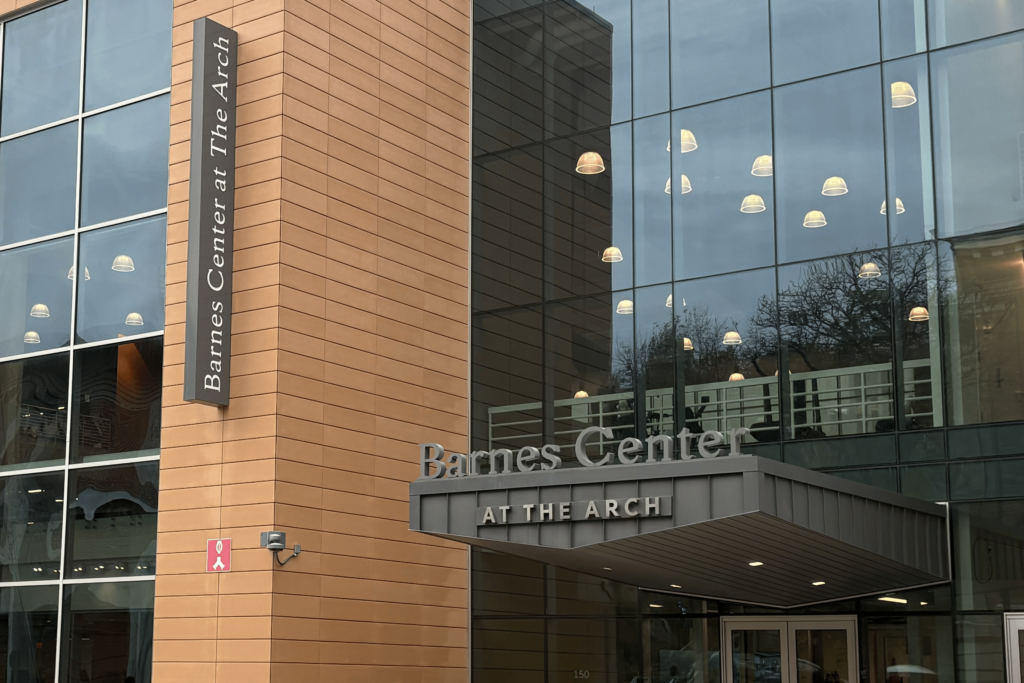
While college can be a stressful time, campus resources like the Barnes Center provide different activities for students to push through burnout. Events, like pet therapy and equipment like massage chairs and light therapy boxes for seasonal affective disorder, are free and available to students.
Stone has her own methods to mitigate the damage that stress can cause and create a strong work-life balance.
“Blocking time in your day to get the things done that you need to, I think that’s a really big one,” Stone said.
Getting a planner, going on a walk, or taking 30 minutes to watch an episode of TV can create the break that students need.
“That way you’re not constantly working and stressing yourself out either because you’re so exhausted,” Stone said. “It never works to try and cram everything in the night before.”
Burnout doesn’t disappear overnight and it doesn’t always look the same for everyone. Sometimes it’s skipping a meal because there isn’t time, or losing motivation for something you once loved. But for students, it can also be a reminder to pause.
Whether it’s a walk across campus, a few minutes of quiet, or a moment of laughter with friends, small acts can make the chaos of college feel a little more manageable. The biggest lesson students can learn from burnout is that even in the busiest seasons, rest isn’t just a reward; it’s a necessity.

is a digital producer for The NewsHouse.